Corporate Gift Boxes for Clients Versus Staff: What Changes
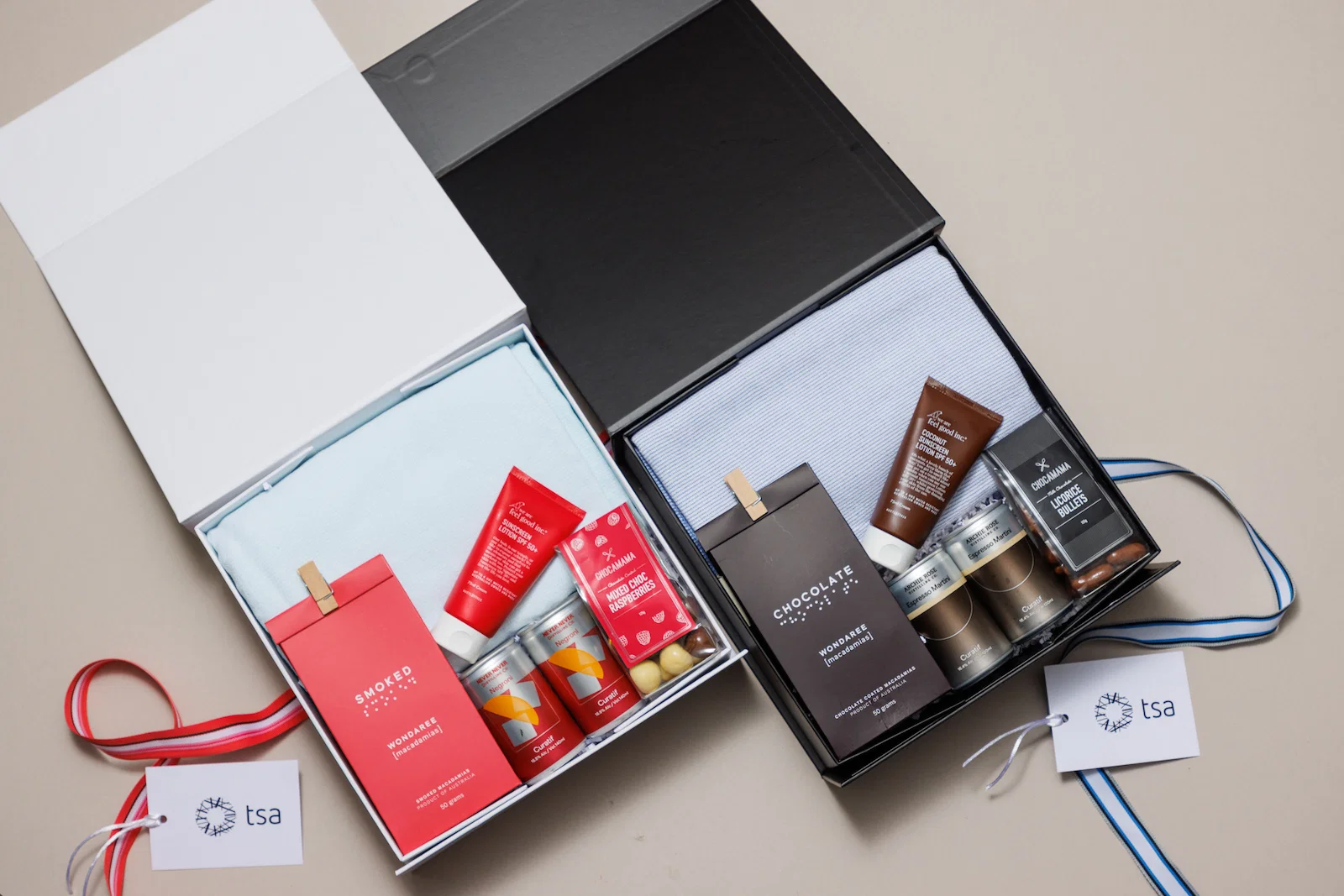
When people say “corporate gifting”, they often talk like one box fits everyone. It really does not. In Australia, what they put in, how they present it, and even when they send it shifts a lot depending on whether the recipient is a client or a team member.
This guide breaks down what changes, why it matters, and how to avoid the usual awkward mistakes. It focuses on corporate gift boxes Australia in context, with practical choices that actually land well.
What is the core difference between gifting to clients and gifting to staff?
The core difference is intent. Client gifting protects or grows a commercial relationship, while staff gifting reinforces culture and recognises effort. That one change affects everything else.
For clients, the gift should feel polished, brand safe, and broadly appealing. For staff, it can be more personal, more playful, and more tied to an internal milestone or story.
Why do client gift boxes need stricter brand and compliance checks?
They do because clients can have procurement policies, gift registers, and rules around conflicts of interest. In Australia, many organisations cap gift values or require disclosure, especially in government, education, and large corporates.
That means corporate gift boxes for clients should avoid anything that looks like an inducement. Keep it modest, premium but not flashy, and easy to document. If they are unsure, they should ask the client contact what the policy is. Quietly. Early. “
How should the budget change between client and staff gift boxes?
Client budgets are often higher per box but sent to fewer people. Staff budgets are usually lower per head but spread across more recipients, so consistency matters.
For clients, they might spend more on presentation, quality, and a restrained premium feel. For staff, the budget works best when the gift feels fair across teams, with only light variation by tenure or milestone.
What changes in product selection for clients versus staff?
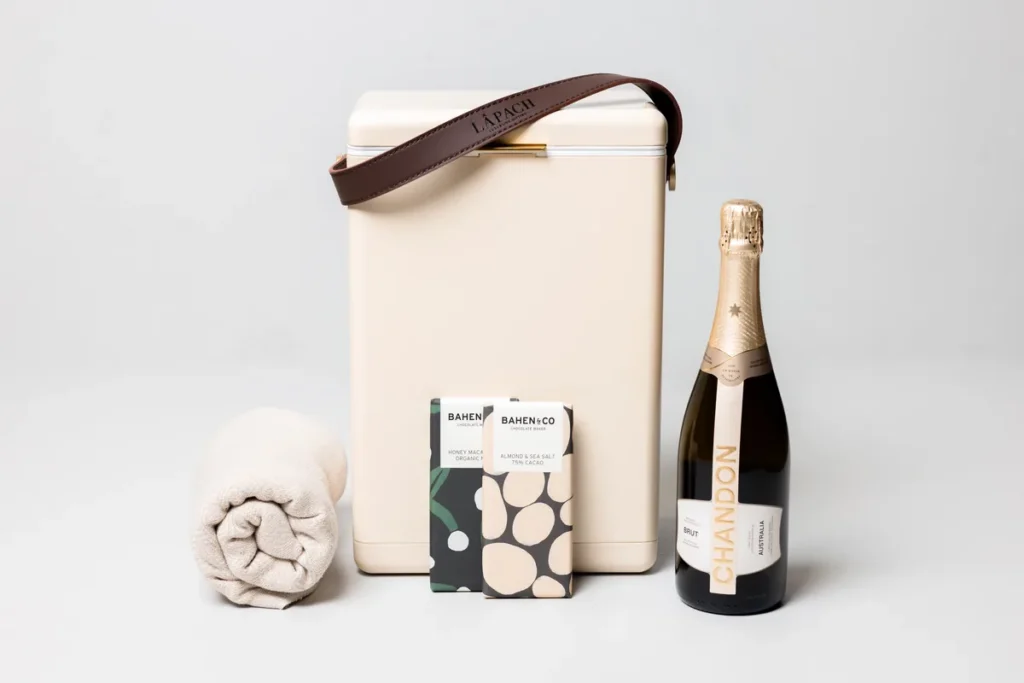
For clients, product selection should be neutral and easy to enjoy without knowing personal preferences. Think Australian pantry items, non-alcoholic options, and universally useful desk or home pieces.
For staff, they can be more tailored. It can lean into wellness, hobbies, or a team in joke, as long as it stays inclusive. The best corporate gift boxes for staff still avoid anything too personal, but they can show more character than client packs.
Should alcohol appear in client gift boxes in Australia?
Sometimes, but it is risky. Alcohol can conflict with workplace policies, religious preferences, and corporate compliance rules, plus freight issues for interstate delivery.
If they include alcohol, they should offer a clear non-alcoholic alternative, not as an afterthought. Many Australian teams now default to premium mixers, local sodas, speciality coffee, tea, and chocolate. It keeps the gesture clean and widely acceptable.
How personalised should the packaging and message be for clients?
It should be personalised in wording, not in assumptions. A brief note referencing the project, the year, or a shared achievement is usually enough.
Branding should be subtle. For client gifting, a loud logo can feel like marketing rather than appreciation. With corporate gift boxes, the unboxing should feel considered, with a card that reads like a human wrote it, not a campaign.
How personal can staff gifting go without crossing a line?
It can go further than client gifting, but it should still stay workplace appropriate. Personalisation works best when it is about contribution, not identity. “Thanks for leading the launch” is safer than commenting on someone’s personal life.
A good approach is choice. Staff can select from a few variants, like snack boxes, self-care boxes, or coffee boxes. It is still controlled, still consistent, and feels personal enough.
What role does timing play for clients compared to staff?
Client gifting timing is often external calendar driven. End of financial year in Australia, Christmas, contract anniversaries, and post-project delivery are common moments.
Staff gifting timing can be more internal. Onboarding, work anniversaries, promotions, team wins, and tough periods where morale needs a lift. Corporate gift boxes for staff can be used tactically, not just seasonally, and that is where they start to feel meaningful.

How does delivery logistics differ across Australian locations?
Clients may be sent boxes to offices, which can have receiving hours, mailroom procedures, and security checks. Staff are often distributed, working hybrid or remotely across NSW, VIC, QLD, WA, SA, TAS, and the territories.
So logistics change. They need address confirmation, authority to leave rules, heat-sensitive packaging in summer, and delivery windows around public holidays. For corporate gift boxes, Australian summer is the silent villain. Chocolate and gummies can arrive… not great.
What tone should the gifting note use for clients?
It should be professional, warm, and brief. It should not ask for anything. A client note that hints at upselling, referrals, or “let’s catch up about next quarter” can backfire.
They should keep it simple. Thank them. Name the specific relationship or outcome. Wish them well. A small line about enjoying Australian made treats is fine, but it should not read like a product brochure.
What tone should the gifting note use for staff?
It can be more direct and more specific. Staff want to feel seen, not processed. A short note that names what they did well is often the difference between “nice” and “wow, they noticed”.
Even with corporate gift boxes Australia, the card carries emotional weight. If they are sending at scale, they can template it, but they should still add one real sentence per person if possible.
How should businesses handle dietary needs and inclusivity?
They should plan for it upfront, not by scrambling later. In Australia, mixed teams often include halal, kosher, vegetarian, vegan, gluten free, and alcohol free preferences, plus allergies.
The simplest system is a small set of clearly labelled variants and a quick preference capture form. For clients, they may not know preferences, so neutral options are safer. For staff, they can ask directly, which makes corporate gift boxes Australia feel more respectful and less wasteful.
Do sustainability expectations differ between client and staff gifting?
Yes, slightly. Clients care about sustainability as part of brand perception. Staff care because they have to live with the waste. Both groups are increasingly over plastic filler and pointless trinkets.
Australian sourced products, recyclable packaging, minimal void fill, and practical items win in both cases. With corporate gift boxes Australia, sustainability is not a “nice extra” anymore. It is part of how the gift is judged, immediately.
How should branding change for client gift boxes versus staff gift boxes?
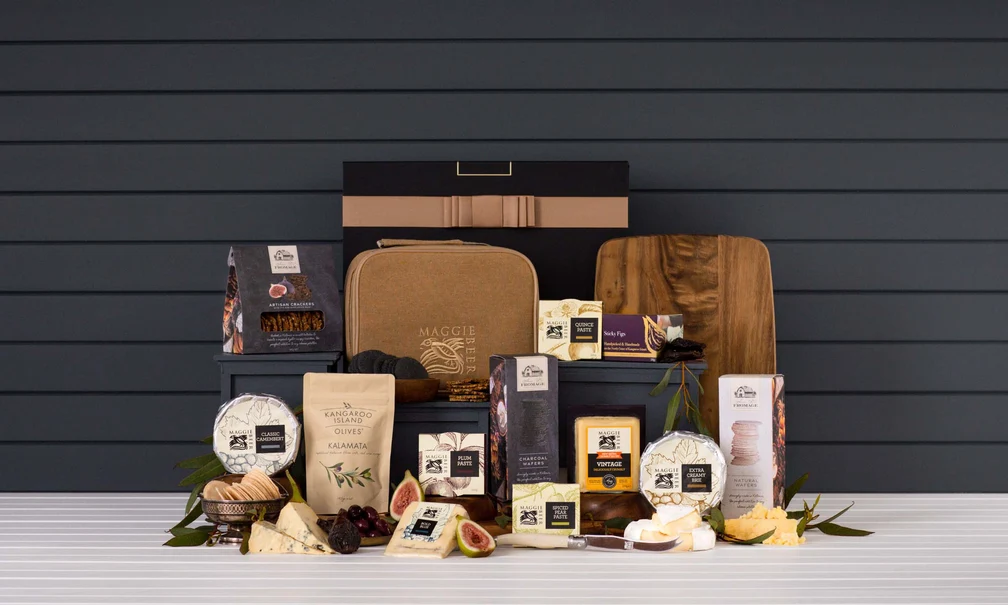
Client branding should be light touch. A small logo on the card, a tasteful sticker, or a simple brand colour ribbon is enough. The gift should not feel like a sales pack.
Staff branding can be more internal and fun. It can include a culture line, a team motto, or a playful insert. But they should still avoid clutter. Corporate gift boxes Australia look more premium when the design is restrained.
What are the most common mistakes with client gifting?
The biggest mistake is making it about the sender. Over branding, over messaging, and too much marketing language can cheapen the gesture.
The second mistake is ignoring compliance or value limits. The third is sending something too niche, like a strong spirit, a polarising snack, or a joke item that does not translate. For client corporate gift boxes Australia, safe does not mean boring. It means broadly likeable.
What are the most common mistakes with staff gifting?
The biggest mistake is inconsistency. If some teams get noticeably better gifts, people talk. Quietly, but they do.
The second is generic gifting with no acknowledgement. A box with no message can feel transactional. The third is not considering delivery realities for remote staff. For staff corporate gift boxes Australia, fairness and thought matter more than price.
How can they structure a simple decision checklist before ordering?
They should answer a few questions before they pick products. Who is the recipient, what is the purpose, what is the acceptable value, and what are the risks?
Then, decide the format. One standard box for clients, or three variants. One staff box for everyone, or milestone tiers. For Australian deliveries, confirm shipping cut-offs and heat-safe packaging. Corporate gift boxes Australia succeed when they are planned like a small project, not a last-minute shop.
What does a practical “client versus staff” gift box strategy look like?
A practical approach is two separate playbooks. One for clients, one for staff, each with approved box types, value ranges, and messaging templates.
For clients, they might use a premium pantry box with Australian made treats, minimal branding, and a short thank you. For staff, they might use a celebratory box with choice of variants and a specific note of recognition. That is how corporate gift boxes Australia stay consistent, appropriate, and genuinely appreciated.
How should they measure whether the gift boxes worked?
They should look for signals, not just compliments. For clients, responses might include a thank you email, a warmer tone in calls, or easier renewals. It is rarely instant, but it shows up.
For staff, they can track engagement in internal channels, retention signals, and feedback after milestones. They can also ask directly in a lightweight pulse survey. Corporate gift boxes Australia are not the goal. The relationship outcome is.
FAQs (Frequently Asked Questions)
What is the main difference between corporate gifting for clients and staff in Australia?
The core difference lies in intent: client gifting aims to protect or grow a commercial relationship, requiring polished, brand-safe, and broadly appealing gifts; whereas staff gifting focuses on reinforcing culture and recognising effort, allowing for more personal, playful gifts tied to internal milestones or stories.
Why do client corporate gift boxes in Australia require stricter brand and compliance checks?
Client gift boxes must comply with procurement policies, gift registers, and conflict of interest rules common in Australian organisations, especially government, education, and large corporates. Gifts need to be modest, premium but not flashy, easy to document, and avoid anything resembling an inducement. It’s advisable to quietly confirm the client’s gift policy early on.
How should budgets differ between client and staff corporate gift boxes?
Typically, client gift budgets are higher per box but sent to fewer recipients, focusing on presentation and quality with a restrained premium feel. Staff gift budgets are usually lower per head but spread across more people, prioritising consistency and fairness across teams with light variation based on tenure or milestones.
What types of products are suitable for client versus staff corporate gift boxes in Australia?
Client gifts should be neutral and universally enjoyable without needing personal preferences—such as Australian pantry items, non-alcoholic options, or useful desk/home pieces. Staff gifts can be more tailored towards wellness, hobbies, or team in-jokes while remaining inclusive and workplace appropriate.
Is including alcohol in Australian corporate gift boxes recommended?
Including alcohol can be risky due to workplace policies, religious preferences, compliance rules, and interstate freight issues. If alcohol is included for clients or staff, a clear non-alcoholic alternative should also be offered. Many Australian teams now prefer premium mixers, local sodas, speciality coffee, tea, or chocolate as widely acceptable alternatives.
How should the tone and personalisation of gifting notes differ between clients and staff?
For clients, notes should be professional, warm, brief, personalised in wording (e.g., referencing a project or achievement), subtle on branding, and avoid marketing language or requests. For staff, notes can be more direct and specific—naming contributions or achievements—to make recipients feel genuinely seen while staying workplace appropriate.