Blog

residential hedge trimming

Residential Hedge Trimming vs Commercial Hedge Maintenance: Key Differences

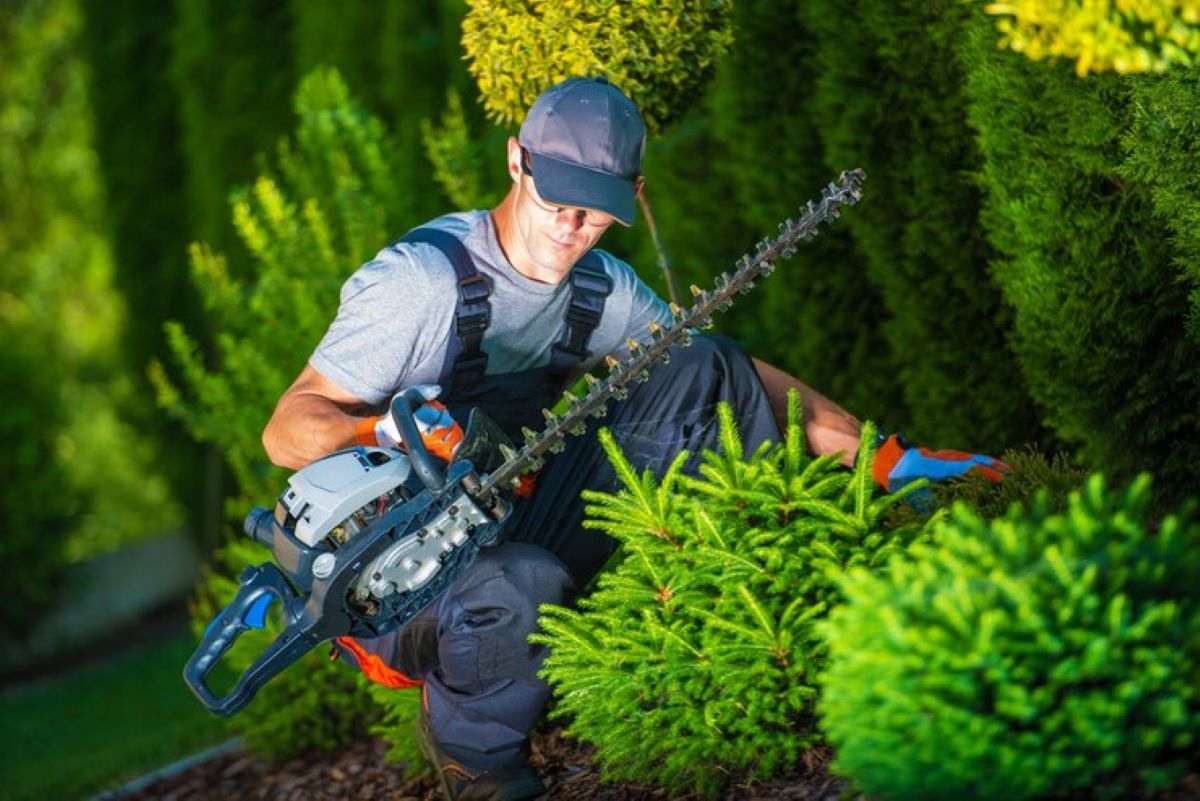
But when you’re comparing a typical home job to what’s expected on a business property, the gap gets big fast. Expectations, liability, scheduling, equipment, even the way the hedges are shaped and measured. It is not just “more hedges”. It is a different kind of work. So let’s break down Residential Hedge Trimming vs Commercial Hedge Maintenance: Key Differences in a way that actually helps you decide what you need, what you should pay attention to, and why quotes can look so different. The simplest difference is the goal Residential work is usually personal. You want the yard to look nice, maybe a bit cleaner around the driveway, maybe you want privacy back because the hedge got wild. Sometimes it is about keeping peace with a neighbor. Sometimes it is just, “I’m tired of looking at this thing.” Commercial work is about image and consistency. Businesses want the property to look intentional every day, not just after a once a year cleanup. Even if nobody says it out loud, landscaping is part of branding. A tight, even hedge line says the property is cared for. A shaggy, uneven one says the opposite, even if the business inside is great. That is the first big point in Residential Hedge Trimming vs Commercial Hedge Maintenance: Key Differences. The end goal is different, so the whole approach changes. Frequency and scheduling are not even close Most homeowners trim hedges a few times a year, depending on the species and how fast it grows. Some do spring and late summer. Others do one bigger trim and call it good. Commercial sites often run on a set schedule. Weekly, biweekly, or monthly, and it is planned around foot traffic, business hours, deliveries, tenant needs, and sometimes noise restrictions. A crew might need to be done before 9am. Or they can only do loud trimming on certain days. Or the work has to be staged across multiple zones so entrances stay open. This is one of those Residential Hedge Trimming vs Commercial Hedge Maintenance: Key Differences that affects price a lot. It is not only “how long does it take”. It is also “how hard is it to fit this into a tight window without disrupting anyone.” Scope of work and what “maintenance” really means Homeowners often want trimming, shaping, and cleanup. Maybe a little reduction if the hedge is too tall. Sometimes they also want some dead wood taken out, but it is not always requested. Commercial maintenance usually includes more than trimming. It can include: That is why Residential Hedge Trimming vs Commercial Hedge Maintenance: Key Differences is not just a wording thing. “Maintenance” is ongoing performance and appearance. “Trimming” is often a single event. Standards and measuring matter more in commercial work At home, “straight” is often good enough. Even if the hedge has a few dips, most people do not care as long as it looks better than before. Commercial hedges get judged harshly. People notice symmetry when the hedge runs along a storefront or frames an entryway. Property managers notice, too. So crews often use tighter visual standards, and sometimes literal measuring. Clean lines, matching heights, square corners, consistent taper. Especially if the site is high visibility. This is a subtle but real part of Residential Hedge Trimming vs Commercial Hedge Maintenance: Key Differences. Commercial work is more like maintaining a “feature” than just cutting back growth. Liability and safety requirements are bigger on commercial sites At a home, risk exists, but it is contained. One driveway, one family, fewer moving parts. Commercial properties have more variables and more people. Pedestrians. Customers. Employees. Vehicles. Delivery trucks. Public sidewalks. That changes everything. A commercial crew may need cones, caution tape, spotters, and a plan for where debris goes so nobody slips. They also have to think about things like: This is one of the most overlooked Residential Hedge Trimming vs Commercial Hedge Maintenance: Key Differences, and it is a big reason commercial service often costs more, even if the hedge line itself is not massive. Equipment tends to scale up fast A homeowner might use a handheld electric trimmer or a small gas unit. A residential crew might bring commercial grade handhelds, pole trimmers, ladders, and maybe a small chipper depending on the work. Commercial hedge maintenance tends to mean heavier duty gear, more redundancy, and faster production. Longer runs of hedging, larger properties, and tighter time windows push crews into using: In Residential Hedge Trimming vs Commercial Hedge Maintenance: Key Differences, equipment is not just a preference. It is often the only way to meet the time and consistency expectations. Cleanup expectations are different, too Homeowners usually want it tidy, but they might be okay with “good enough” if the price is right. Some even want clippings left for compost or pickup later. Commercial properties need clean, now. Not later. The sidewalk cannot be littered with green bits. Parking lots can’t have piles of trimmings that get driven over and tracked into stores. Entrance areas have to look finished immediately. So commercial work usually includes a more intensive cleanup step. More blowing, more bagging, more hauling. Sometimes even checking storm drains or grates to ensure debris is not sitting there. When you look at Residential Hedge Trimming vs Commercial Hedge Maintenance: Key Differences, cleanup is one of those things that sounds small until you watch a crew spend 30 to 45 minutes just making the site look perfect after the cutting is done. Plant health strategy shows up more in commercial contracts Homeowners care about plant health, sure, but many want the hedge to look a certain way first. And it is easy to delay trimming until it’s obviously overgrown. Commercial maintenance plans often factor in plant health earlier because replacement is expensive and looks bad. Some sites have a uniform hedge species across the entire property. If one section declines, it breaks the whole visual line. Commercial crews may pay closer attention to: This is another key point in…
Read more

Storm Tree Removal

Storm Tree Removal in Sydney: What Happens and Who Is Responsible?

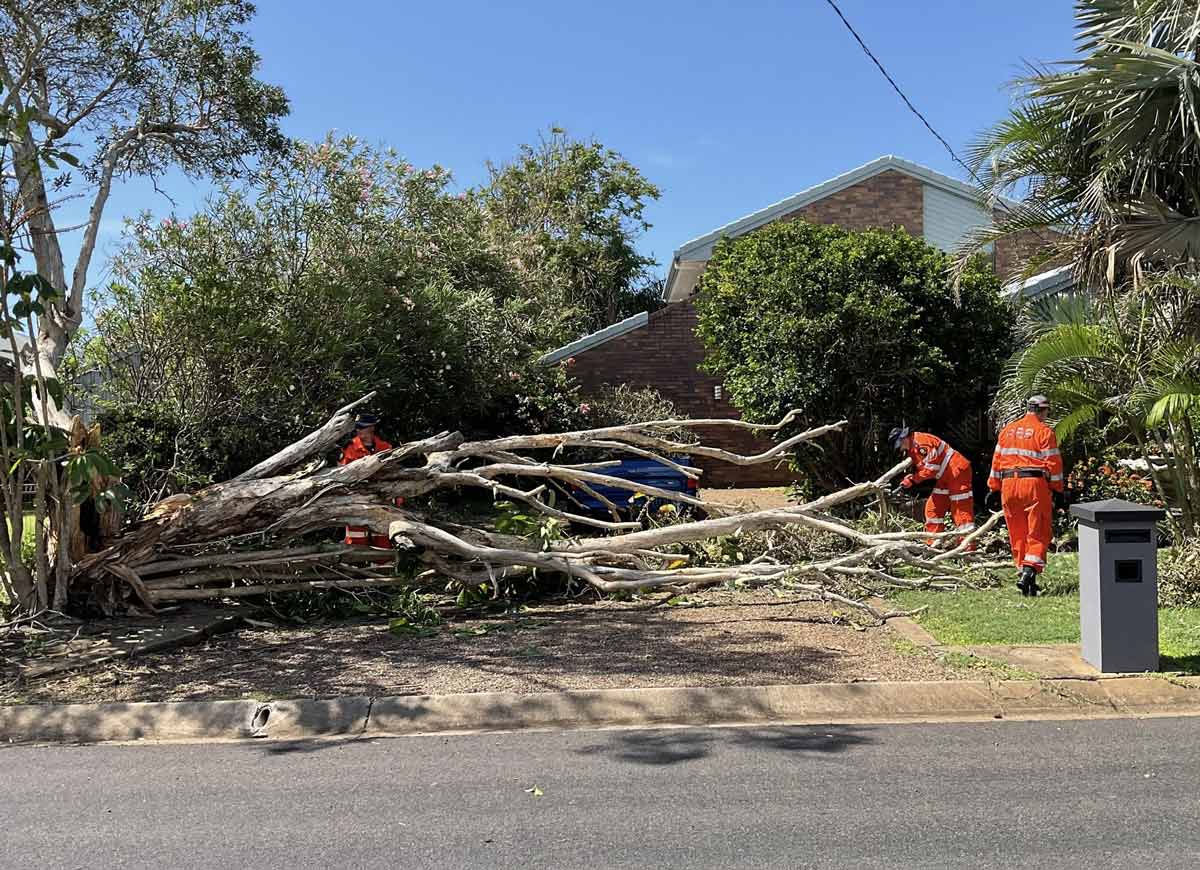
Who removes the tree. Who pays. Who do you call first. And what happens if it is blocking the road, leaning on power lines, or sitting half on your place and half on the neighbour’s. This is a practical guide to storm tree removal in Sydney, what usually happens after a storm, how the responsibility is normally worked out, and how to avoid making the situation worse. First things first, make it safe (before you make it tidy) After a storm, most people go straight to the obvious problem. The tree is down. The driveway is blocked. The car is stuck. The fence is crushed. You want it cleared, now. But the first step is not removal. It is safety. Here is the boring checklist that saves people from getting hurt: Only after that, you can start working out the actual plan for storm tree removal in Sydney. What actually happens after a storm (the usual sequence) Most storm related tree incidents fall into one of three buckets: In a typical storm cleanup, you will see this order of events: That is why you might see council crews clearing a main road quickly while your backyard disaster sits there for two days. It feels unfair, but it is triage. Who is responsible depends on one thing, where the tree came from This is the part everybody argues about, and it usually comes back to a single question. Was the tree growing on private land, council land, or another authority’s land? 1. Trees on your property If the tree trunk is on your land, you are usually responsible for arranging and paying for removal and cleanup on your side. Even if it falls onto someone else’s property, you still may be involved, and insurers often get pulled in. This is where storm tree removal in Sydney becomes a mix of tree work and paperwork. 2. Trees on a neighbour’s property If the tree came from the neighbour’s land and landed on yours, responsibility is not always as simple as “their tree, their bill”. In many cases, each property owner deals with damage on their own side, unless negligence is involved. Negligence is the key word. If a tree was clearly unsafe and the owner ignored obvious risk, the conversation changes. But proving that is not always quick or easy. Insurers look at it carefully. 3. Trees on council land (street trees, parks, verges) If it is a council tree, council is typically responsible for removal and making the area safe. But response times depend on severity and workload after the storm. Do not remove a council tree yourself unless council instructs you to. You can get yourself into trouble, and you can also destroy evidence that might matter for a claim. 4. Trees on state managed land or near rail corridors If the tree is on land controlled by Transport for NSW, Sydney Trains, RMS corridors, or similar authorities, it is handled through those channels. It can take longer to find the right phone number than to cut the tree, which is part of the frustration. What if the tree is across a boundary line Sydney has plenty of situations where a tree trunk is inside one property, but the canopy is over multiple yards. Or a tree sits right on a boundary. After a storm, you might have a tree that is: In practice, the cleanup often becomes shared simply because it is easier. But legally and insurance wise, it helps to document everything. If you are dealing with a boundary mess and you are arranging storm tree removal in Sydney, do this before anyone starts cutting: It sounds tedious. But it saves arguments later. The power line situation, who you call and who touches what If a fallen tree is involved with power lines, you have two separate problems. The power company handles the electrical hazard first. Sometimes they will cut sections of the tree just to access lines, or they will isolate power so tree crews can work. But a normal tree crew should not be cutting around live wires without proper clearance and qualifications. A big chunk of storm tree removal in Sydney delays come from this exact issue. Everyone is waiting on everyone else. So the rule is simple: See Also : Apply to prune or remove a tree Do you need council approval after a storm This catches people off guard. Sydney councils have tree preservation rules. Normally you cannot just remove a tree because it is annoying, or leaning slightly, or dropping leaves. After a storm though, it depends. If the tree is an immediate risk and already down, councils generally understand removal needs to happen quickly. But some councils still require notification, especially for large trees, protected species, or trees in conservation areas. If you are not sure, and it is not an emergency hazard, call council and ask what evidence they need. Usually they want photos showing storm damage. And yes, contractors who do storm tree removal in Sydney every week will often know the local council expectations, at least in broad terms. Still worth confirming. Insurance, what is typically covered and what is not Insurance is where a lot of people get whiplash. They assume storm equals automatic coverage. Then they find out the tree removal itself is not always covered unless it caused insured damage. While policies vary, common patterns include: If you are organising storm tree removal in Sydney and you think insurance might apply, do not rush to remove everything before you contact the insurer. At least take clear photos and ask what they need. Also, keep receipts. Every invoice. Every emergency callout fee. Even the skip bin. What a professional storm tree removal job usually involves People imagine tree removal as “guy with chainsaw, tree gone”. Sometimes it is. After storms though, it can be very technical. A good storm cleanup usually includes: The price swings wildly based on access, tree size, whether cranes are needed,…
Read more

Top Easter Gift Basket Ideas for Last-Minute Delivery

Mother’s Day Gifts Delivered: What Options Arrive Fast in Australia?

This guide focuses on gifts that usually ship fast, deliver the same day in metro areas, or arrive instantly by email. What delivery speeds can they realistically expect in Australia? They can often get same-day delivery in major cities, next-day delivery for many metro postcodes, and two to five business days for standard shipping. Regional and remote areas typically take longer, especially close to Mother’s Day when couriers and Australia Post are busiest. If they are shopping in the final week, prioritising same-day, next-day, click and collect, or digital delivery is the safest move. Which gifts can arrive the same day in most metro areas? Same-day delivery is most reliable for items sourced locally, such as flowers, curated gift boxes, and some food gifts. Many services operate across Sydney, Melbourne, Brisbane, Perth, and Adelaide with cut-off times in the morning or early afternoon. If they are in a metro area, they should check the recipient’s postcode first, then place the order early to avoid missing the cut-off. Are flowers still the fastest “classic” Mother’s Day option? Yes, Mother’s Day Gifts Delivered options like flowers are often the fastest physical choice, with broad appeal across recipient profiles. Many Australian florists support same-day Mother’s Day Gifts Delivered, including weekends around peak demand, although popular bouquets can sell out quickly. To optimise outcomes, selecting seasonal arrangements, adding a concise card message, and avoiding overly specific stems when ordering late helps ensure Mother’s Day Gifts Delivered remain simple, reliable, and effective. What food gifts tend to deliver quickly? Food gifts can arrive fast, especially when they are made locally and delivered by courier. Common quick options include cupcakes, biscuits, brownies, grazing boxes, fruit hampers, and chocolate bundles. They should look for metro delivery windows, refrigeration requirements, and whether the service delivers on Sundays, as Mother’s Day delivery varies by provider and region. Which gift hampers and curated boxes ship quickly? Many gift box brands keep ready-to-ship bundles for occasions like Mother’s Day, which helps them dispatch faster than fully customised builds. Popular formats include self-care boxes, tea and biscuit sets, wine and snack bundles, and “pamper night in” kits. For speed, they should pick best-sellers marked as in stock, then choose express or courier delivery where available. Can they rely on eGift cards for truly instant delivery? Yes, eGift cards are the safest last-minute option because they usually arrive by email within minutes. They also let the recipient choose exactly what they want, which reduces the risk of buying the wrong colour, size, or fragrance. If they want it to feel less impersonal, they can schedule the email for Mother’s Day morning and include a thoughtful message. What digital gifts feel more personal than a standard gift card? Digital gifts can still feel warm if they are tailored to the recipient’s interests. Good options include subscriptions, online courses, audiobooks, meditation apps, magazine memberships, or a voucher for a local experience. They can also pair the digital gift with a printed card or a quick phone call to make the moment feel intentional. Are experiences delivered fast in Australia? Experiences are often delivered instantly because the voucher arrives by email. They can choose from spa and beauty vouchers, afternoon tea bookings, winery tours, cooking classes, or weekend getaway credits, depending on location. If they want a higher chance of the gift being used, they should pick something close to the recipient and avoid overly strict expiry terms. What can they buy online for fast click and collect? Click and collect is one of the most reliable “delivered fast” options because it removes courier delays. Many retailers offer same-day pickup for beauty products, books, homewares, and electronics if the item is in stock locally. They should check stock at a nearby store, place the order early, and confirm the pickup timeframe before heading out. Which “practical” gifts usually arrive quickly without looking rushed? Practical gifts can still feel thoughtful when they match the recipient’s daily routines. Common fast-shipping options include skincare sets, hair tools, electric diffusers, cosy throws, reusable drink bottles, and kitchen gadgets. If they are ordering late, they should avoid niche colours or limited editions and choose items with clear dispatch estimates. How should they choose between Australia Post and courier delivery? Couriers can be faster in metropolitan areas, while Australia Post can be reliable but slows down during peak periods. Many stores offer both, and the best choice depends on the delivery suburb, the cut-off time, and whether weekend delivery is included. If they are within days of Mother’s Day, choosing a courier or same-day services is typically safer than standard post. What details should they check before paying? They should confirm the delivery postcode coverage, order cut-off time, and whether Mother’s Day Sunday delivery is available. It also helps to check tracking quality, delivery instructions, and what happens if nobody is at home. For food and flowers, they should read storage notes and allergen information, especially for shared households. What is the simplest last-minute plan that still feels thoughtful? They can choose a same-day flower or gift box delivery if the recipient is in a major city, and use an eGift or experience voucher as the backup. This approach reduces delivery risk while still giving something that feels real and celebratory. If time is extremely tight, a scheduled eGift card with a personal message plus a call on the day can still land well. FAQs (Frequently Asked Questions) What delivery speeds can I realistically expect for Mother’s Day gifts in Australia? You can often get same-day delivery in major cities, next-day delivery for many metro postcodes, and two to five business days for standard shipping. Regional and remote areas typically take longer, especially close to Mother’s Day when couriers and Australia Post are busiest. Prioritising same-day, next-day, click and collect, or digital delivery is safest if shopping in the final week. Which Mother’s Day gifts can arrive the same day in most Australian metro areas? Same-day delivery is most reliable for…
Read more

Top Easter Gift Basket Ideas for Last-Minute Delivery

Top Easter Gift Basket Ideas for Last-Minute Delivery

Below are practical Easter gift basket ideas that suit quick turnarounds, plus tips to help ensure the basket actually arrives on time. What makes an Easter gift basket “last minute” friendly? A last minute basket is one they can order and still get delivered before Easter. That usually means next day delivery, same day courier, local delivery, or collection from a nearby shop. It also helps when the basket is easy to assemble from supermarket items, so they can build it at home in under an hour. Which chocolate Easter gift baskets deliver fast and still feel premium? A chocolate-led easter gift basket works because it is instantly “Easter” and rarely the wrong choice. For speed, buyers should prioritise retailers offering next-day or local delivery, and select bestselling easter gift basket options that remain consistently in stock. A strong premium easter gift basket mix includes a large hollow egg, truffles, chocolate mini eggs, and one standout bar such as salted caramel or dark chocolate. What are the best Easter gift baskets for children that can arrive quickly? For children, the best fast baskets mix one “hero” item with small, fun fillers. They should prioritise items that are widely available for quick dispatch, like mini eggs, a small plush bunny, stickers, and a simple craft. To keep it neat, they can use a small tub or reusable storage basket instead of a wicker hamper, since those are easier to find locally at short notice. Which Easter gift baskets work for teenagers who “don’t want anything”? Teen baskets land best when they feel modern and slightly personalised. A quick win is to combine sweets with something useful, like a water bottle, socks, or a mini skincare set. Good last-minute picks include sour sweets, chocolate-coated biscuits, a phone grip, a face mask, and a gift card tucked into an Easter card. What Easter gift basket ideas suit adults who prefer something beyond sweets? Adults often appreciate a basket that feels like a small treat they would not buy for themselves. For quick delivery, they can build a “weekend in” theme using items from a supermarket, deli, or local shop. A simple version includes a small bottle of wine or alcohol-free fizz, fancy crisps, olives or nuts, and one high-quality chocolate item to keep it seasonal. Which Easter gift baskets are best for colleagues or clients? For colleagues or clients, the safest last-minute basket is neutral, tidy, and easy to share. They should avoid anything too personal and keep the branding minimal unless it is a client relationship where that is expected. A solid option is a box-style hamper with biscuits, tea or coffee, mini chocolate eggs, and a short note that keeps the tone professional. What are good Easter gift baskets for people with dietary needs? Dietary-friendly baskets are easiest when they follow one clear rule, such as vegan, gluten-free, or nut-free, and avoid “may contain” surprises. They should check labels carefully and, if unsure, choose a reputable specialist retailer or a clearly marked supermarket range. A quick vegan basket could include dark chocolate, fruit jellies, biscuits, and a hot chocolate sachet that is labelled dairy-free. What “no shipping” Easter gift baskets can they send instantly? If delivery windows look tight, digital gifting can still feel thoughtful. They can send an e-gift card alongside a small Easter-themed message, then schedule a local treat delivery like brownies, doughnuts, or flowers if available in the recipient’s area. Another option is a “promise basket” note saying a physical hamper is on its way, with a small digital extra sent immediately. How can they build a DIY Easter basket from a supermarket in under 30 minutes? A DIY basket is often the most reliable last-minute route. They should pick one container, one main item, and five to eight small fillers, then keep the colour palette consistent so it looks intentional. A fast supermarket list looks like this: one medium egg, one bag of mini eggs, one biscuit or cake treat, one drink, one spring-themed item like candles, and one small toy or puzzle. What should they do to make sure last-minute delivery actually arrives on time? They should treat delivery like the main product, not an afterthought. That means checking the final order cut-off time, choosing tracked delivery, and avoiding custom options that slow dispatch. If it is truly urgent, they should use click and collect, local delivery, or a courier service, and send the recipient a heads-up in case the parcel needs to be brought indoors quickly. Which last minute Easter basket idea is the safest “one size fits most”? A simple spring treats basket is the safest because it works for most ages and tastes. They can include a medium egg, mini eggs, a packet of biscuits, tea or coffee, and a small seasonal extra like a candle or hand cream. It feels generous, travels well, and still reads clearly as an Easter gift even when ordered late. FAQs (Frequently Asked Questions) What defines a last minute Easter gift basket and how can I ensure it arrives on time? A last minute Easter gift basket is one that can be ordered and delivered before Easter, often via next day delivery, same day courier, local delivery, or collection from a nearby shop. To ensure timely arrival, choose retailers with fast shipping options, check order cut-off times, opt for tracked delivery, and consider click and collect or local courier services. Sending the recipient a heads-up can also help manage the delivery. Which chocolate Easter gift baskets offer fast delivery while maintaining a premium feel? Chocolate-led Easter baskets are ideal for quick gifting as they instantly convey the Easter theme. Look for retailers offering next day or local delivery and select bestsellers that remain in stock. A premium mix typically includes a large hollow egg, truffles, chocolate mini eggs, and a standout bar like salted caramel or dark chocolate to create an indulgent experience. What are some quick-to-arrive Easter gift basket ideas suitable for children? For children,…
Read more

Waverton Florist

How a Waverton Florist Helps Create Thoughtful Floral Gifts

Giving flowers sounds simple, but getting it right rarely is. A good Waverton florist helps gift-givers match the moment, the message, and the recipient, so the bouquet feels personal instead of generic. They do that by translating a few details, like who the flowers are for, what happened, and what the sender wants to say, into colour, texture, seasonality, and presentation. The result is a floral gift that lands well, even when words are hard to find. What makes a floral gift feel thoughtful rather than last-minute? A thoughtful floral gift feels chosen, not grabbed. A Waverton Florist achieves this by aligning the blooms with the recipient’s taste, the occasion’s tone, and the sender’s intent. They also focus on proportion, palette, and finishing touches. Even small decisions, such as a softer colour story, an elegant wrap, or a handwritten card, can shift a bouquet from “nice” to “meaningful.” How do they choose flowers that fit the occasion? They start by identifying the emotional register of the event. Celebrations usually suit brighter, lighter combinations, while sympathy arrangements tend to use calmer tones and softer movement. They also consider appropriateness and setting. A hospital delivery needs low-fragrance options and easy-to-manage stems, while a dinner-party gift might suit a structured arrangement that sits neatly on a table. Related: Why a Florist Waverton is Perfect for Elegant Bouquets How do they tailor bouquets to the recipient’s personality? They listen for clues: favourite colours, home style, hobbies, and even what the recipient would normally buy for themselves. That information guides whether the design should feel bold, minimalist, romantic, native, or modern. If details are limited, they keep it safe but still intentional. They might use a balanced palette, classic shapes, and widely loved blooms, then add a distinctive feature such as textured foliage or an accent flower. What role does seasonal availability play in better gifting? Seasonality is a shortcut to freshness and value. A florist will often steer gifts toward what is currently at its best, because those blooms tend to last longer and look more vibrant. Seasonal choices also feel more “of the moment.” When a bouquet reflects what is naturally blooming now, it can feel grounded and thoughtful, rather than forced or overly manufactured. How do they help match colours and symbolism without being cheesy? They use colour psychology in a modern, subtle way. For example, whites and greens often feel calm and clean, warm tones feel celebratory, and soft pastels feel gentle and supportive. They also avoid heavy-handed symbolism unless the sender asks for it. Instead of insisting that one flower “means” one thing, they build an overall mood that communicates the message naturally. For deeper insight, explore the meanings and language of flowers and how symbolism is traditionally interpreted. How do they make floral gifts work for sympathy and sensitive moments? They prioritise restraint, comfort, and longevity. Sympathy flowers usually benefit from a softer palette, fewer sharp contrasts, and a design that feels calm in a home or service setting. They also guide wording and presentation. A good florist helps keep card messages simple and appropriate, and may recommend arrangements that are easy to place and maintain during a difficult week. How do they handle last-minute gifts without sacrificing quality? They rely on well-planned stock and strong design fundamentals. When time is tight, they can build a beautiful bouquet using the freshest stems on hand, with a cohesive palette and clean finishing. They also offer practical substitutions. If a specific bloom is unavailable, they replace it with something similar in tone and texture, so the overall look and message stay intact. Learn more about thoughtful last-minute gifts for quick delivery. What should they ask a customer to quickly get the right bouquet? They typically ask a few focused questions: Who is it for? What happened? What is the relationship? What should the flowers say? Are there any dislikes, allergies, or strong preferences? Budget and delivery details matter too. With a clear price range and a time window, they can design confidently and avoid awkward compromises that dilute the gift’s impact. How can they elevate the gift with small add-ons and presentation details? They use finishing touches to make the experience feel complete. A handwritten card, tasteful ribbon, and quality wrapping can turn a standard bouquet into something that feels considered. They may also suggest practical extras when appropriate, such as a vase for recipients who may not have one, or a more compact arrangement that suits smaller apartments. How do they ensure flowers last longer once delivered? They design with vase life in mind, choosing resilient blooms and conditioning stems properly. They also aim for balance, so the bouquet opens gradually rather than collapsing all at once. Most importantly, they provide simple care instructions. When recipients know how to refresh water, trim stems, and place flowers away from heat, the gift keeps looking good for longer. How does a local Waverton florist make delivery and timing more reliable? They understand local traffic patterns, building access, and common delivery constraints in the area. That local knowledge reduces missed drop-offs and helps ensure the flowers arrive in good condition. They also help senders choose the right delivery moment. Whether it is a morning surprise, a same-day apology, or a timed anniversary delivery, careful timing is often what makes the gesture land. What is the best way for someone to order a thoughtful floral gift? They should share intent first, then preferences, then practical constraints. A short note like “something warm and uplifting for a friend who is overwhelmed” gives a florist enough direction to design with purpose. If the sender is unsure, they can trust a designer’s choice within a budget and ask for a specific vibe. Clear guidance plus creative freedom is often the fastest path to a gift that feels genuinely thoughtful. FAQs (Frequently Asked Questions) What makes a floral gift feel thoughtful rather than last-minute? A thoughtful floral gift feels chosen, not grabbed. A florist achieves this by…
Read more

Florist Waverton is Perfect for Elegant Bouquets

Why a Florist Waverton is Perfect for Elegant Bouquets

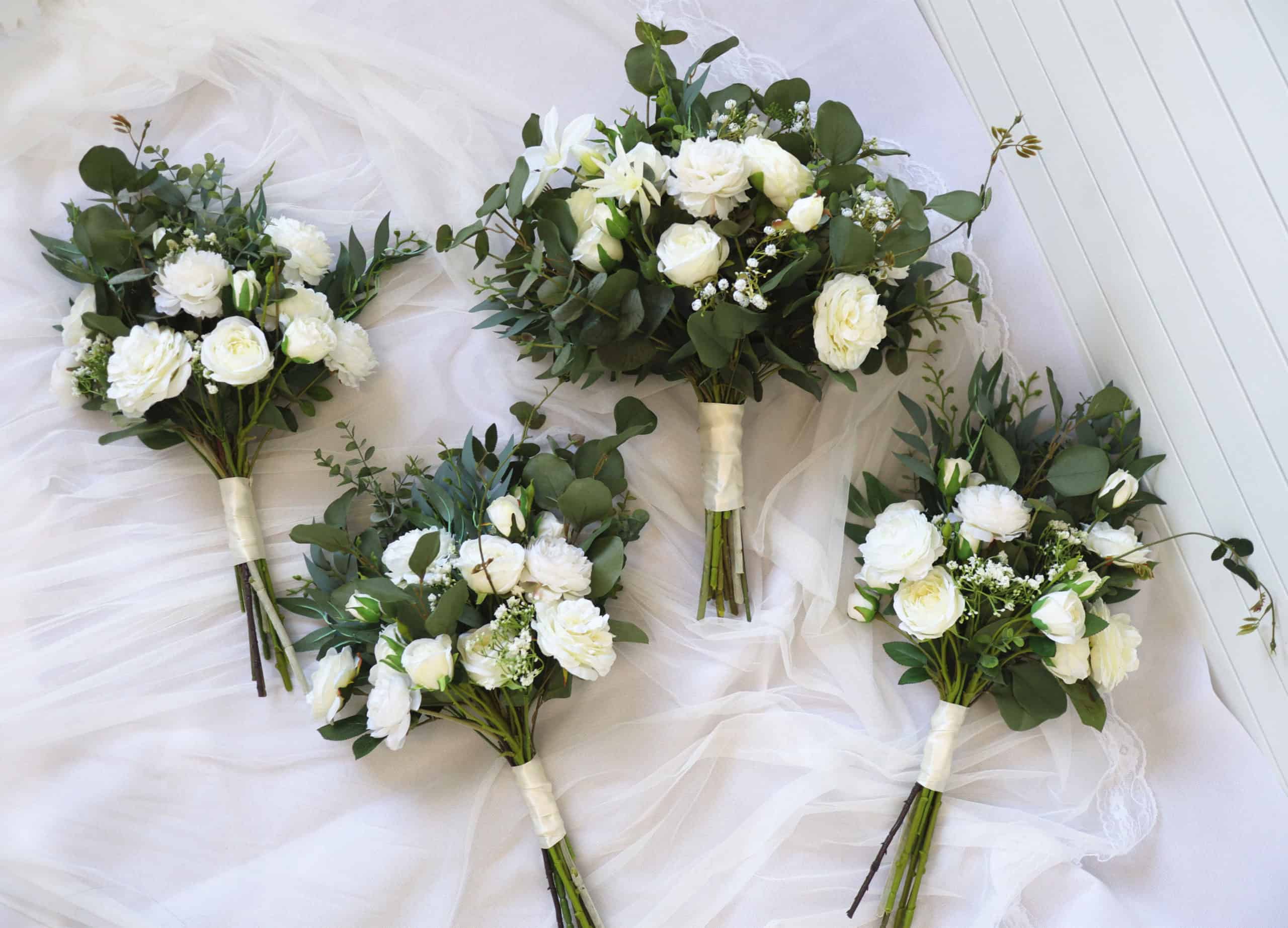
Elegant bouquets look effortless, but they rarely are. They rely on the right flowers, careful conditioning, balanced colour, and a sense of proportion that can be hard to describe until it is done well. That is why choosing a florist Waverton locals trust is such a strong option for anyone chasing that refined, polished look. They can combine local know-how, premium sourcing, and a design approach that suits everything from intimate gestures to high-end events. What makes a Waverton florist a smart choice for elegant bouquet design? They typically design with the occasion and the setting in mind, not just the flowers. That matters because “elegant” is more about restraint, shape, and finish than it is about size. A good local florist can guide choices like stem length, bloom density, and colour temperature so the bouquet looks intentional in photos and in person. How do they create that “elegant” look without overdoing it? They usually start with a clear structure. An elegant bouquet often has a defined silhouette, either softly rounded, gently asymmetric, or line based with negative space. They also tend to limit the palette. Instead of adding more varieties, they refine the mix, using fewer hero blooms and supporting stems that add texture without visual noise. Learn more how to surprise your loved ones instantly with same day flower delivery. Why does local knowledge matter when choosing flowers for elegance? Local experience helps with practical details that affect presentation. They know how certain flowers handle humidity, travel, and time in a vase, which keeps the bouquet crisp rather than tired. They also understand what looks appropriate for local venues, homes, and gifting norms. That context helps them avoid designs that feel mismatched or overly trendy. How do they keep bouquets looking fresh and premium for longer? They condition stems properly, which is often the hidden difference between average and premium. That can include stripping lower foliage, using the right hydration methods, and storing blooms at stable temperatures. They also choose flowers at the right stage. For elegance, they often balance a few open blooms with tighter buds so the bouquet looks refined on arrival and continues to open beautifully. What flower types tend to work best for elegant bouquets in Waverton? They often lean on classic, high impact blooms and clean supporting foliage. Think roses, orchids, tulips, peonies when in season, and elegant natives used sparingly for texture. For a modern look, they may use sculptural elements like anthuriums or calla lilies, then soften the edges with airy accents. The goal is contrast that still feels calm. How can they tailor an elegant bouquet to someone’s style? They usually ask about the recipient, the occasion, and the preferred vibe, minimal, romantic, contemporary, or classic. Those cues influence everything from colour to wrap style. They can also match design to a home’s interior. A bouquet for a neutral, modern space might use whites and greens with strong lines, while a softer home might suit blush tones and garden textures. Why are elegant bouquets often better with fewer flowers, not more? They can use fewer stems and still create a more expensive look if each stem earns its place. Elegance depends on spacing, proportion, and focal points. Overpacked bouquets can hide the best blooms and blur the shape. A florist aiming for elegance will often prioritise standout flowers, clean stems, and a finish that lets each element be seen. For practical guidance, explore simple steps to arrange flowers like a pro for balanced and elegant designs. What should they ask for when ordering an elegant bouquet? They can request a “premium, elegant style” and describe the mood in a few words, such as “classic white,” “soft blush,” or “modern sculptural.” That gives the florist a useful direction without over controlling the design. They should also mention practical needs: delivery time, vase size if known, fragrance sensitivity, and whether the bouquet needs to travel or be presented at an event. How does presentation and wrapping affect the overall elegance? They treat wrapping like part of the design. Elegant bouquets often use high quality paper, fabric ribbons, and clean finishes rather than loud colours or bulky decoration. Even small details matter, like tidy stem ends, a balanced tie point, and a card that matches the tone. The bouquet should look composed from every angle. Why is a Waverton florist ideal for events that need refined florals? They can align bouquets with a broader aesthetic, which is key for engagements, corporate gifting, dinners, and weddings. Elegance is about cohesion, not just one beautiful arrangement. They can also help with repeat orders, consistent palettes, and timing. That reliability matters when florals need to look their best at a specific moment, not hours earlier. What is the simplest way for them to get an elegant bouquet they will love? They should choose a florist in Waverton, share a clear mood, and trust the design process. Elegant work improves when the florist has room to select the best seasonal stems and build a clean composition. If they want a safe starting point, they can ask for a neutral palette with one feature bloom and refined foliage. It is a classic formula that almost always reads as elegant. FAQs (Frequently Asked Questions) What makes a Waverton florist the best choice for creating elegant bouquets? A Waverton florist combines local expertise, premium flower sourcing, and a tailored design approach that considers the occasion and setting. This ensures bouquets that are refined, polished, and perfectly suited for everything from intimate gestures to high-end events. How do florists in Waverton achieve an elegant look without making bouquets appear overdone? They start with a clear structural design featuring defined silhouettes—softly rounded, gently asymmetric, or line-based with negative space. They limit the colour palette and use fewer hero blooms alongside supporting stems that add texture without visual clutter, maintaining restraint and balance. Why is local knowledge important when selecting flowers for elegant arrangements in Waverton? Local experience helps florists understand how…
Read more

Termite Barrier

Termite Barrier Sydney: How Preventative Systems Work

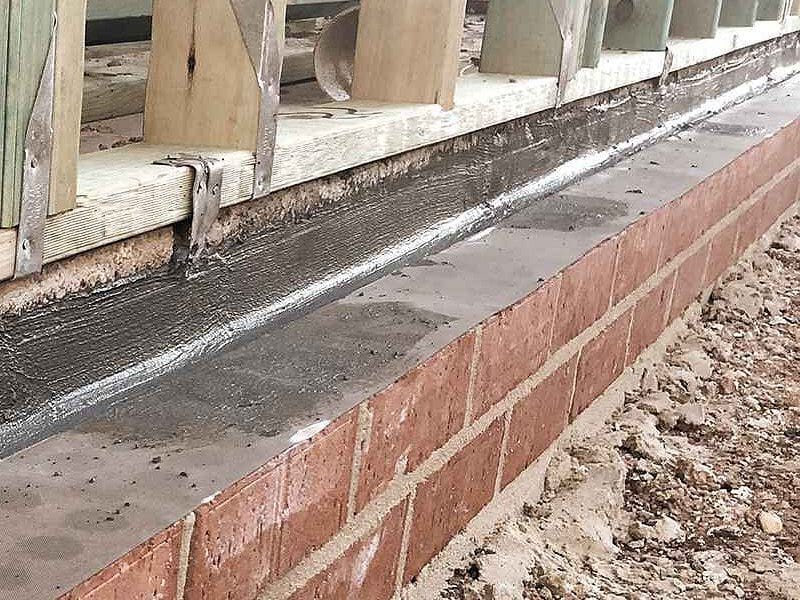
In simple terms, barriers work by either physically blocking termites, chemically repelling or killing them, or forcing them into visible areas where activity is spotted sooner. What is a termite barrier, and what does it actually do? A professionally installed termite barrier Sydney system creates a protective zone around or under a building to help prevent termites reaching structural timber. It does not “termite-proof” a property forever, but it significantly lowers risk when installed correctly and properly maintained. Its real job is to interrupt hidden termite access. If termites cannot enter unseen, owners and inspectors have a better chance of catching activity before major damage occurs. Why are termite barriers especially relevant in Sydney? Sydney has many termite-prone suburbs, established gardens, and older housing stock with timber elements. Moisture issues from drainage, subfloor ventilation, and landscaping can also increase risk. Because termites often travel underground and enter through tiny cracks, local conditions make preventative systems a practical choice. Barriers are commonly used alongside inspections to create a more reliable long-term defence. What types of termite barriers are used in Sydney? Most preventative systems fall into three categories: chemical soil treatments, physical barriers, and combination approaches. The “best” option depends on the building type, access, budget, and risk level. They are typically selected after a site assessment that considers slab edges, subfloor areas, retaining walls, gardens, and any previous termite history on the property. How do chemical termite barriers work? Chemical barriers rely on termiticides applied to soil around and under the building to create a treated zone. When termites tunnel through it, they are repelled or affected by the chemical, which disrupts their ability to survive and spread. In practice, the treated zone must be continuous. Gaps caused by poor application, soil disturbance, or later renovations can weaken performance and allow termites to bypass the barrier. How do physical termite barriers work? Physical barriers block termite entry using materials termites cannot chew through and cannot easily move around. Common systems include stainless-steel mesh, graded stone, and proprietary barrier sheets installed at vulnerable entry points. They work best when integrated into construction or when access is good during renovations. The key benefit is longevity, since physical systems do not rely on chemical potency over time. How do termite reticulation systems fit into prevention? A reticulation system is a network of pipes installed around a building’s perimeter that allows termiticide to be replenished later. It is usually paired with a chemical barrier strategy. Its main advantage is easier re-treatment without extensive drilling or trenching. However, it still depends on correct design, proper charging, and ongoing maintenance to ensure coverage stays complete. Where are termite barriers installed around a home? Barriers are typically installed along the external perimeter, around slab penetrations, and at key entry points like pipes, joints, and expansion cracks. For homes with subfloors, treatment may also target piers, soil, and other concealed pathways. Install locations are chosen to stop termites travelling from the ground into timber framing. If the building has complex extensions or landscaping changes, additional protection zones may be required. What makes a termite barrier fail or get compromised? Most failures come from breaks in continuity or later disturbance. Digging garden beds, installing new plumbing, adding paving, or changing drainage can create untreated gaps that termites can exploit. Moisture problems also raise the risk because termites favour damp environments and damaged timbers. Even with a barrier, poor ventilation, leaking pipes, and water pooling can increase termite pressure and make detection harder. Do termite barriers replace inspections? No, barriers do not replace inspections because termites can still find alternative entry points or exploit compromised areas. Regular inspections are how early activity is found before expensive damage occurs. A barrier reduces the odds of infestation, while inspections decrease the time termites have to cause damage. Used together, they provide a more realistic and resilient prevention approach. Click here to get about pest exterminator Sydney vs DIY solutions: what works better? How long do termite barriers last in real conditions? Physical barriers can last for decades when installed correctly and left undisturbed. Chemical barriers can also remain effective for years, but performance depends on the product, soil conditions, installation quality, and whether the treated zone stays intact. In the real world, the lifespan is influenced by renovations, landscaping, drainage changes, and general property wear. This is why many systems come with re-treatment schedules or inspection-based maintenance plans. What should they expect during termite barrier installation? Installation usually starts with a site inspection and a plan to cover all likely entry points. Chemical barriers may involve trenching around the perimeter, soil injection, and sometimes drilling through paths or slabs to reach the soil underneath. They should expect some disruption, especially outdoors. A good provider will explain where treatment is applied, what areas must not be disturbed, and what documentation is provided for records and future inspections. What should they ask a Sydney termite barrier provider before committing? They should ask what barrier type is being recommended and why it suits that building. They should also ask how continuity will be achieved around difficult areas like steps, patios, pipes, and tight side access. It is also reasonable to ask about re-treatment timeframes, warranty conditions, inspection recommendations, and what actions could void coverage. Clear documentation matters because future owners and inspectors rely on those details. What is the simplest way to keep a termite barrier effective? The simplest approach is to combine regular inspections with good property maintenance and minimal disturbance of treated areas. They should manage moisture by fixing leaks, improving drainage, and keeping subfloor ventilation clear. They should also avoid covering slab edges or weep holes and be cautious with landscaping against walls. Prevention works best when the barrier remains continuous and the building stays easy to inspect. FAQs (Frequently Asked Questions) What is a termite barrier and how does it protect Sydney homes? A termite barrier is a protective system installed around or under a building to prevent termites from…
Read more

Pest Exterminator

Pest Exterminator Sydney vs DIY Solutions: What Works Better?

So what actually works better: hiring a pest exterminator in Sydney, or doing it themselves with store-bought sprays, baits, and traps? The best answer depends on the pest, the scale of the problem, and how much risk they are willing to accept. What is the real difference between a pest exterminator and DIY pest control? A professional pest exterminator Sydney service targets the cause of the infestation, not just the visible pests. They identify entry points, nesting sites, breeding cycles, and the species involved, then use a treatment plan designed to break that cycle. DIY usually focuses on immediate symptoms. They might kill what they can see but miss hidden harbourage areas, eggs, or re-entry pathways, which is why many infestations keep returning. When does DIY pest control actually work well? DIY works best for small, early problems with clear evidence and simple access. If they spot a few ants in the kitchen, a single wasp outside, or one cockroach at night, a targeted approach can be enough. The key is precision and follow-through. They need correct product choice, proper placement, repeat applications where required, and basic prevention like sealing gaps and improving hygiene. When is a pest exterminator in Sydney the better option? Professional help is usually better when the infestation is established, recurring, or hard to locate. If they have activity in roof voids, wall cavities, subfloors, or multiple rooms, DIY often becomes a guessing game. It is also the safer option for hazardous pests or situations. Stinging insects, rodents, and any suspected termite activity are common examples where incorrect handling can make the problem worse or expose them to health risks. Which option works better for cockroaches in Sydney homes? A pest exterminator usually works better for German cockroaches, which breed quickly and hide in tight kitchen and bathroom areas. They often require gel placement strategies, growth regulators, and targeted residual treatments to stop reproduction. DIY can work for occasional larger cockroaches if they are coming from outside. But if they keep appearing in cupboards, behind appliances, or during the day, that usually indicates a deeper infestation that needs professional control. Which option works better for ants: DIY or professional treatment? DIY can work well for ants if they use slow-acting baits and let the colony carry it back. Spraying visible ants often makes things worse by splitting the colony or pushing it into new areas. A pest exterminator is better when ants keep returning despite baiting, or when there are multiple trails and nesting sites. They can identify species and adjust treatment, which matters because different ants respond to different bait types. Which option works better for rodents in Sydney? Professional control is usually more reliable for rats and mice because success depends on inspection, exclusion, and the correct baiting strategy. If they do not block entry points, rodents often return no matter how many traps they set. DIY can help with a single mouse if they act quickly with snap traps and good sanitation. But if there are droppings in multiple areas, roof noises, gnaw marks, or repeated sightings, they are likely dealing with a broader problem. Which option works better for termites? A pest exterminator is the clear choice for termites. DIY termite sprays rarely reach the colony and can disturb termites, causing them to move and continue feeding elsewhere. Termite management requires proper identification, risk assessment, and treatment systems such as baiting programmes or barriers. It is also about monitoring over time, not just one-off spraying. Is DIY really cheaper once the full cost is considered? DIY can be cheaper for minor issues, especially if they solve it in one attempt. But costs add up quickly when they buy multiple products, repeat treatments, replace contaminated food, or repair damage caused by delays. Professional treatment often looks expensive upfront, yet it may be more cost-effective if it stops the infestation sooner. The biggest hidden cost with DIY is time, repeated failure, and allowing pests to spread. Click here to get about termite barrier Sydney: how preventative systems work. What are the biggest risks of DIY pest control? The main risk is misidentification. They might treat fleas when the issue is bird mites, treat ants when the source is termites, or use the wrong approach for cockroach species, leading to poor results. There is also health and safety risk. Overapplication, mixing products, poor ventilation, and incorrect bait placement can expose children, pets, and occupants to unnecessary hazards. How should they decide what to do next? They should choose DIY if the problem is small, recent, and clearly identified, and they can follow product instructions carefully. They should choose a pest exterminator in Sydney if the problem is recurring, widespread, hidden, or high risk, especially with termites or rodents. A practical rule is simple: if they have tried DIY twice and activity continues, it is usually time to call a professional. That is often the point where expert inspection and targeted treatment save money and stress in the long run. FAQs (Frequently Asked Questions) What is the main difference between hiring a pest exterminator and doing DIY pest control in Sydney? A pest exterminator targets the root cause of the infestation by identifying entry points, nesting sites, breeding cycles, and the species involved, then implementing a treatment plan to break that cycle. In contrast, DIY pest control usually focuses on killing visible pests without addressing hidden harbourage areas or re-entry pathways, which often leads to recurring infestations. When is DIY pest control effective for managing pests in Sydney homes? DIY pest control works best for small, early-stage problems with clear evidence and easy access, such as spotting a few ants in the kitchen or a single wasp outside. Success depends on choosing the correct products, proper placement, repeated applications if needed, and basic prevention measures like sealing gaps and maintaining hygiene. Why should I consider hiring a professional pest exterminator in Sydney for established infestations? Professional pest exterminators are better suited for established, recurring, or…
Read more

tattoo artist

How to Choose Your Ideal Sydney Tattoo Artist for Any Style

Selecting the right Sydney tattoo artist shapes every aspect of your tattoo journey—from the quality of the artwork permanently etched on your skin to your physical safety during the process. A mismatched artist-client pairing can result in disappointing designs, health complications, or regret that lasts far longer than the tattooing session itself. Sydney’s tattoo scene offers an impressive spectrum of artistic specializations, where the best Sydney tattoo artist is often defined by mastery across fineline delicacy, photorealistic portraits, intricate dotwork, bold traditional American, botanical florals, expansive Japanese sleeves, and cosmetic tattoos like microblading and lip blush. Each style demands distinct technical skills, artistic sensibilities, and years of focused practice. The artist you choose directly determines three critical outcomes: Understanding how to evaluate artists based on their style expertise, credentials, portfolio quality, and client care practices empowers you to make an informed decision. The right match between your aesthetic preferences and an artist’s specialized skills creates a foundation for a positive experience and artwork you’ll treasure permanently. What Tattoo Style Do They Want and Why Does It Matter? Identifying your preferred tattoo style before searching for an artist streamlines the selection process and ensures you find someone whose expertise aligns with your vision. Each tattoo style requires distinct technical skills, artistic sensibilities, and specialized training that not all artists possess equally. Understanding Personal Style Preferences Your tattoo style preference should reflect both aesthetic appeal and personal meaning. Consider what draws you visually—clean, delicate lines or bold, saturated colors? Do you prefer photographic precision or stylized artistic interpretation? Looking through tattoo styles Sydney artists showcase on Instagram, Pinterest, and studio websites helps clarify what resonates with you. Think about the tattoo’s purpose and placement. Smaller, subtle designs suit fineline or minimalist approaches, while larger pieces like back or thigh tattoos accommodate intricate styles such as Japanese sleeves or detailed realism work. Popular Tattoo Styles in Sydney Fineline Tattoos: Fineline tattoos feature delicate, precise linework creating minimalist designs with subtle shading. This style works exceptionally well for small-scale pieces, botanical illustrations, and elegant script. Artists specializing in fineline work demonstrate exceptional control and steady hands, as even minor inconsistencies become highly visible. Realism Tattoos: Realism tattoos replicate photographic detail, capturing portraits, wildlife, or objects with lifelike accuracy. This demanding style requires artists skilled in shading gradients, light manipulation, and anatomical precision. Sydney realism specialists often focus exclusively on this technique due to its technical complexity. Dotwork: Dotwork employs thousands of individual dots to create shading, texture, and dimension. This meticulous technique produces distinctive geometric patterns, mandalas, and ornamental designs. The style demands patience and precision, with artists spending hours stippling each element. Traditional Tattoos: Traditional (or “old school”) tattoos feature bold black outlines, limited color palettes, and iconic imagery like anchors, roses, and eagles. This classic style emphasizes readability and longevity, with designs that age gracefully over decades. Floral Designs: Floral tattoos range from botanical realism to stylized interpretations across various techniques. How Can They Evaluate an Artist’s Portfolio Effectively? A portfolio reveals an artist’s true capabilities and consistency across their work. Examining tattoo portfolios Sydney artists present online or in-studio provides the most reliable evidence of their technical skill, artistic vision, and ability to execute specific styles. The portfolio serves as a visual resume that demonstrates whether an artist can deliver the quality and style someone seeks. Portfolio quality assessment requires looking beyond surface-level aesthetics. Clients should examine multiple pieces within their desired style to identify patterns in line work precision, color saturation, shading techniques, and compositional balance. An artist who excels at Japanese sleeves may not possess the delicate touch required for fineline work, making style-specific evaluation essential. Consistency Across Multiple Pieces Strong portfolios showcase consistent quality rather than isolated masterpieces surrounded by mediocre work. Scrolling through an artist’s Instagram feed or portfolio book should reveal: Inconsistency often signals that an artist may still be developing their skills or that their best work doesn’t represent their typical output. Three to five strong examples in a desired style provide better confidence than a single exceptional piece. The Critical Difference Between Fresh and Healed Work Healed tattoos photos tell the real story that fresh tattoos cannot. Immediately after completion, any tattoo appears vibrant with crisp lines and saturated colors. The true test emerges weeks or months later when the skin has fully healed and settled. Fresh tattoos can mask technical flaws: Artists confident in their work actively share healed photos because they demonstrate lasting quality. A portfolio dominated exclusively by fresh work should raise questions about how pieces What Licensing and Hygiene Standards Should They Look For? Every legitimate tattoo artist in Sydney must hold a current NSW Tattoo Licence or operate under a licensed establishment that complies with NSW Health regulations. This legal requirement exists to protect clients from health risks and ensure practitioners meet minimum safety standards. Before booking any appointment, ask to see the artist’s licence or verify the studio’s licensing status through NSW Health’s public register. The difference between licensed and unlicensed operations can mean the difference between a safe experience and serious health complications. Licensed artists undergo training in infection control, bloodborne pathogen management, and proper sterilization techniques. They’re also subject to regular inspections and must maintain documentation of their compliance with tattoo hygiene standards Sydney authorities enforce. Essential Hygiene Practices to Verify When visiting a potential studio, observe these critical hygiene indicators: A reputable artist will welcome questions about their sterilization processes. They should explain how they prevent cross-contamination, where they source their supplies, and how frequently they service their sterilization equipment. Studios that become defensive or vague about hygiene practices raise immediate red flags. What Cross-Contamination Prevention Looks Like Professional studios implement barrier methods throughout the tattooing process. This includes covering surfaces with disposable barriers, using squeeze bottles instead of dipping into shared containers, and maintaining separate clean and contaminated zones within the workspace. The artist should never touch their phone, adjust equipment, or handle non-sterile items without changing gloves. Watch how the artist prepares…
Read more

Sydney Tattoo Artists

6 Characteristics of Top-Tier Sydney Tattoo Artists

What Sets Top-Tier Sydney Tattoo Artists Apart? Sydney’s tattoo scene is full of creative energy, with hundreds of studios spread across neighborhoods like Newtown and Bondi. The city has become a global tattoo destination where top artists push boundaries in both traditional and modern styles. Choosing the right artist can make the difference between being proud of your tattoo for life or regretting it permanently. Many consider the best Australian tattoo artist to be someone who can turn skin into living art through exceptional skill, strict safety standards, and genuine care for clients. They don’t just apply ink—they create meaningful experiences that honor each person’s story. The 6 characteristics of top-tier Sydney tattoo artists separate exceptional practitioners from the rest: These traits work together to create an experience that goes beyond just getting a tattoo. When you find an artist who embodies these qualities, you’re not just getting a tattoo—you’re partnering with someone who respects the permanence of their craft and the trust you’ve placed in their hands. The tattoo scene Sydney offers is competitive, but these distinguishing characteristics help you identify artists who truly excel at their craft. How Do Top-Tier Sydney Tattoo Artists Showcase Exceptional Creativity in Their Work? Creativity in tattooing distinguishes elite artists through their ability to translate abstract concepts into visual masterpieces. Top-tier Sydney tattoo artists listen deeply to client stories, emotions, and visions, then reimagine these elements into custom tattoo designs that carry personal significance while maintaining artistic integrity. The transformation process begins during consultation sessions where artists sketch multiple interpretations of client ideas. A client requesting a memorial piece might receive designs ranging from photorealistic portraits to symbolic representations incorporating meaningful dates, flowers, or landscapes. This collaborative approach ensures the final artwork resonates emotionally while showcasing the artist’s unique creative voice. Innovative Design Approaches That Define Excellence Leading Sydney artists push boundaries by blending unexpected elements into cohesive designs. They might combine: One artist might transform a client’s childhood drawing into a sophisticated sleeve by maintaining the original’s innocent charm while adding professional depth and dimension. Another could take a simple flower request and create an entire ecosystem featuring insects, dewdrops, and botanical accuracy that tells a story of growth and transformation. Personalization Beyond Surface-Level Customization Exceptional artists dig deeper than basic customization. They research cultural symbolism, study reference materials specific to each project, and incorporate hidden details that hold private meaning for clients. A wave design might include coordinates of a significant location subtly worked into the foam patterns. A portrait could feature background elements representing the subject’s passions or achievements. This level of creative investment means no two pieces ever look identical, even when clients request similar themes. Each design becomes a unique artistic statement that reflects both the wearer’s identity and the artist’s creative signature. What Role Does Precision Play in the Work of Leading Sydney Tattoo Artists? Precision separates competent tattoo artists from exceptional ones, particularly when executing technically demanding styles. Top-tier Sydney artists develop unwavering hand control through years of practice, enabling them to create intricate details that remain crisp and clear for decades. The Importance of Precision in Fine-Line Tattoos Fine-line tattoos demand extraordinary precision because every stroke is visible and permanent. A single shaky line or inconsistent pressure can compromise the entire design. Leading artists maintain steady hands while working with single needles, creating delicate patterns, minimalist designs, and intricate script work where lines measure less than a millimetre in width. These tattoos require artists to control depth consistently—too shallow and the ink won’t hold; too deep and scarring occurs. The Challenges of Precision in Realism Tattoos Realism tattoos push precision requirements even further. Artists must replicate photographic accuracy, capturing subtle gradations in shading, proper proportions, and lifelike textures. A portrait tattoo demands exact placement of highlights in the eyes to convey emotion, precise shadow work to define facial structure, and accurate skin tone transitions. Sydney’s best realism artists spend hours perfecting techniques like: The Physical Demands of Precision Work The physical demands of precision work extend beyond artistic skill. Top artists maintain optimal working conditions—proper lighting, ergonomic positioning, and quality equipment calibrated for specific techniques. They adjust needle configurations, machine voltage, and hand speed based on body placement, skin type, and design complexity. A ribcage piece requires different pressure than a forearm tattoo due to varying skin thickness and movement. The Role of Planning and Preparation in Achieving Precision Precision also manifests in planning and preparation. Elite artists create detailed stencils, map out shading patterns before starting, and work methodically rather than rushing. They understand that certain body areas—fingers, behind ears, inner lips—present unique challenges requiring adapted techniques and heightened control. How Do Leading Sydney Tattoo Studios Maintain Impeccable Hygiene Standards? Top-tier Sydney tattoo studios operate with hospital-grade hygiene practices that prioritise client safety above all else. These stringent protocols create a sterile environment that minimises infection risks and ensures optimal healing conditions for every tattoo. Equipment Sterilisation Leading studios use autoclave machines that sterilise all reusable instruments through high-pressure steam at temperatures exceeding 121°C. This medical-grade process eliminates bacteria, viruses, and spores that could cause infections. Each sterilised item is sealed in individual pouches with date stamps and sterility indicators, opened only in the client’s presence to demonstrate freshness and safety. Single-Use Items Professional studios never reuse needles, ink caps, or grips. These disposable items arrive in sealed packaging and are discarded immediately after each session in designated sharps containers. This practice eliminates any possibility of cross-contamination between clients. Workspace Sterilisation Top studios maintain separate areas for: Artist Practices Artists at leading studios change gloves frequently throughout each session—not just between clients, but whenever they touch non-sterile surfaces during the tattooing process. They use barrier films on equipment handles, clip cords, and power supplies, replacing these protective layers for every new client. Cleaning Protocols The cleaning regimen matches what you’d find in medical facilities. Studios use hospital-grade disinfectants approved for bloodborne pathogen elimination, applying them to all surfaces before and after each appointment.…
Read more