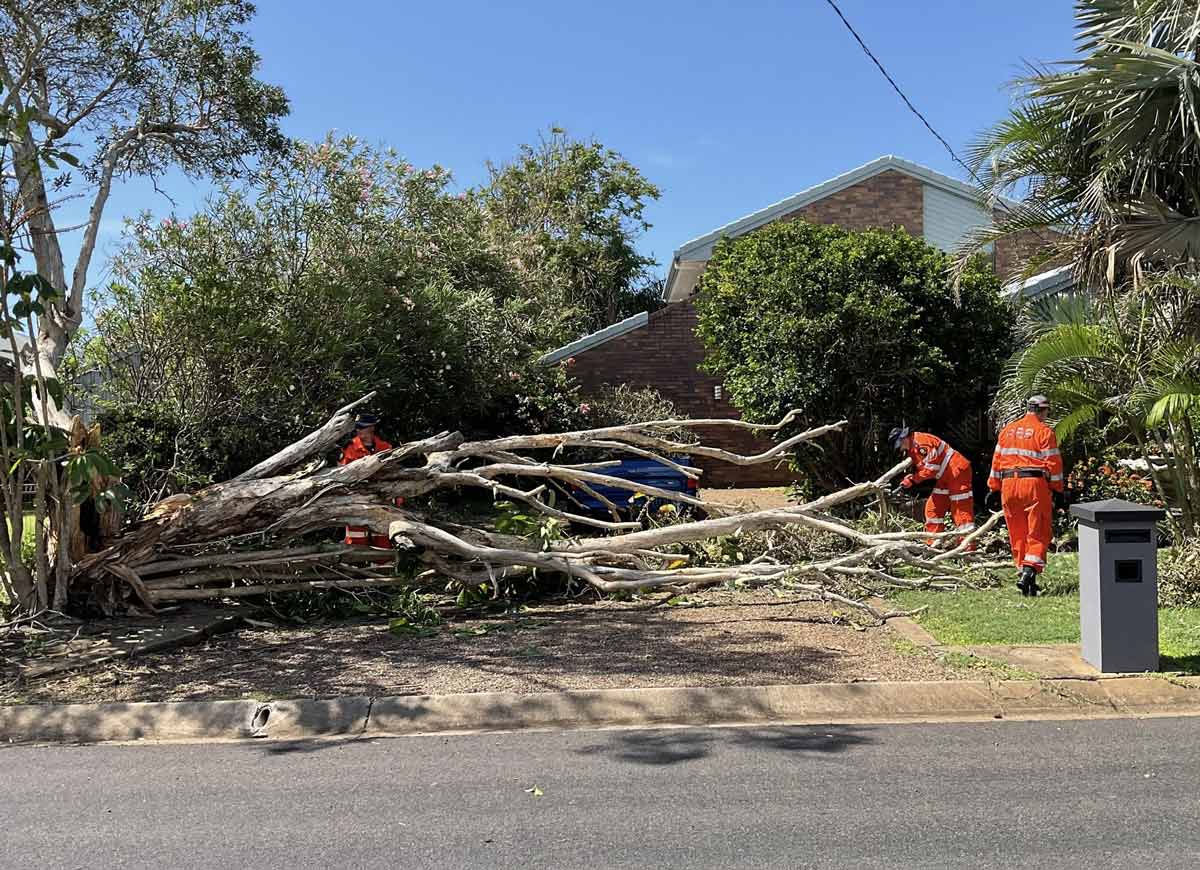
Storm Tree Removal in Sydney: What Happens and Who Is Responsible?
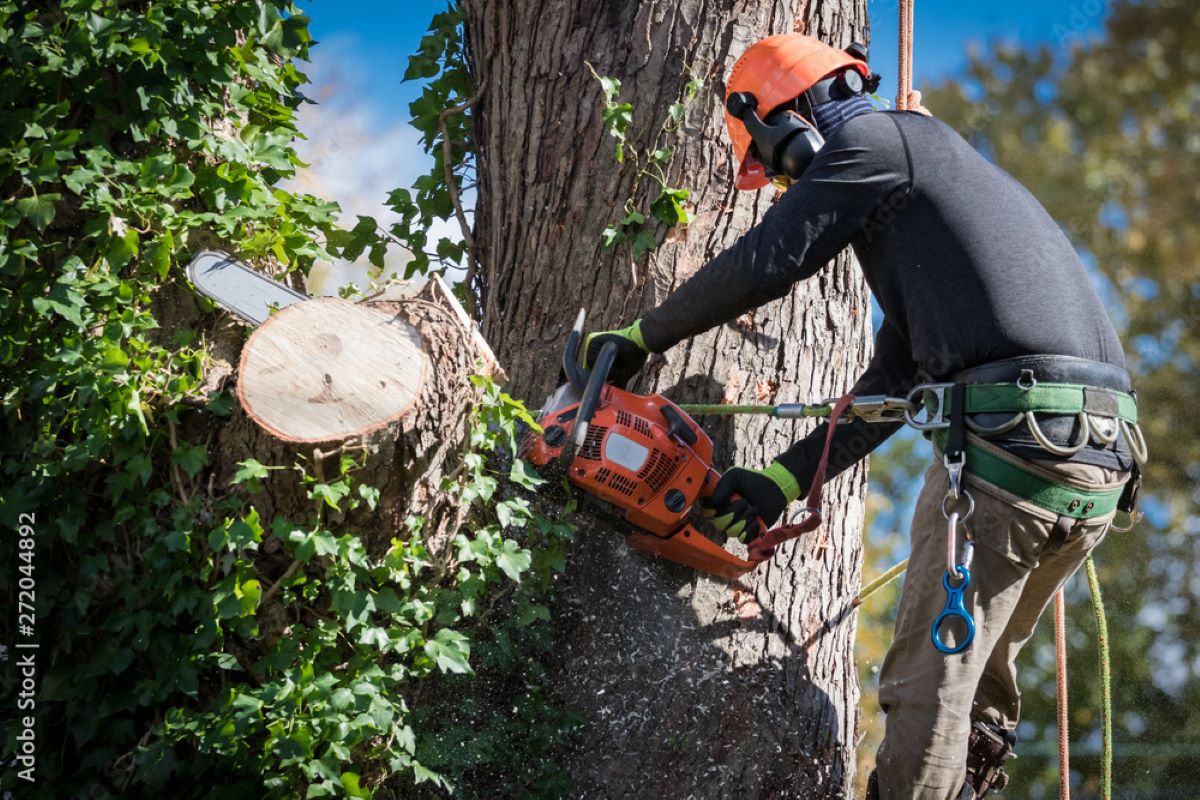
Who removes the tree. Who pays. Who do you call first. And what happens if it is blocking the road, leaning on power lines, or sitting half on your place and half on the neighbour’s. This is a practical guide to storm tree removal in Sydney, what usually happens after a storm, how the responsibility is normally worked out, and how to avoid making the situation worse. First things first, make it safe (before you make it tidy) After a storm, most people go straight to the obvious problem. The tree is down. The driveway is blocked. The car is stuck. The fence is crushed. You want it cleared, now. But the first step is not removal. It is safety. Here is the boring checklist that saves people from getting hurt: Only after that, you can start working out the actual plan for storm tree removal in Sydney. What actually happens after a storm (the usual sequence) Most storm related tree incidents fall into one of three buckets: In a typical storm cleanup, you will see this order of events: That is why you might see council crews clearing a main road quickly while your backyard disaster sits there for two days. It feels unfair, but it is triage. Who is responsible depends on one thing, where the tree came from This is the part everybody argues about, and it usually comes back to a single question. Was the tree growing on private land, council land, or another authority’s land? 1. Trees on your property If the tree trunk is on your land, you are usually responsible for arranging and paying for removal and cleanup on your side. Even if it falls onto someone else’s property, you still may be involved, and insurers often get pulled in. This is where storm tree removal in Sydney becomes a mix of tree work and paperwork. 2. Trees on a neighbour’s property If the tree came from the neighbour’s land and landed on yours, responsibility is not always as simple as “their tree, their bill”. In many cases, each property owner deals with damage on their own side, unless negligence is involved. Negligence is the key word. If a tree was clearly unsafe and the owner ignored obvious risk, the conversation changes. But proving that is not always quick or easy. Insurers look at it carefully. 3. Trees on council land (street trees, parks, verges) If it is a council tree, council is typically responsible for removal and making the area safe. But response times depend on severity and workload after the storm. Do not remove a council tree yourself unless council instructs you to. You can get yourself into trouble, and you can also destroy evidence that might matter for a claim. 4. Trees on state managed land or near rail corridors If the tree is on land controlled by Transport for NSW, Sydney Trains, RMS corridors, or similar authorities, it is handled through those channels. It can take longer to find the right phone number than to cut the tree, which is part of the frustration. What if the tree is across a boundary line Sydney has plenty of situations where a tree trunk is inside one property, but the canopy is over multiple yards. Or a tree sits right on a boundary. After a storm, you might have a tree that is: In practice, the cleanup often becomes shared simply because it is easier. But legally and insurance wise, it helps to document everything. If you are dealing with a boundary mess and you are arranging storm tree removal in Sydney, do this before anyone starts cutting: It sounds tedious. But it saves arguments later. The power line situation, who you call and who touches what If a fallen tree is involved with power lines, you have two separate problems. The power company handles the electrical hazard first. Sometimes they will cut sections of the tree just to access lines, or they will isolate power so tree crews can work. But a normal tree crew should not be cutting around live wires without proper clearance and qualifications. A big chunk of storm tree removal in Sydney delays come from this exact issue. Everyone is waiting on everyone else. So the rule is simple: See Also : Apply to prune or remove a tree Do you need council approval after a storm This catches people off guard. Sydney councils have tree preservation rules. Normally you cannot just remove a tree because it is annoying, or leaning slightly, or dropping leaves. After a storm though, it depends. If the tree is an immediate risk and already down, councils generally understand removal needs to happen quickly. But some councils still require notification, especially for large trees, protected species, or trees in conservation areas. If you are not sure, and it is not an emergency hazard, call council and ask what evidence they need. Usually they want photos showing storm damage. And yes, contractors who do storm tree removal in Sydney every week will often know the local council expectations, at least in broad terms. Still worth confirming. Insurance, what is typically covered and what is not Insurance is where a lot of people get whiplash. They assume storm equals automatic coverage. Then they find out the tree removal itself is not always covered unless it caused insured damage. While policies vary, common patterns include: If you are organising storm tree removal in Sydney and you think insurance might apply, do not rush to remove everything before you contact the insurer. At least take clear photos and ask what they need. Also, keep receipts. Every invoice. Every emergency callout fee. Even the skip bin. What a professional storm tree removal job usually involves People imagine tree removal as “guy with chainsaw, tree gone”. Sometimes it is. After storms though, it can be very technical. A good storm cleanup usually includes: The price swings wildly based on access, tree size, whether cranes are needed,…
Read more