

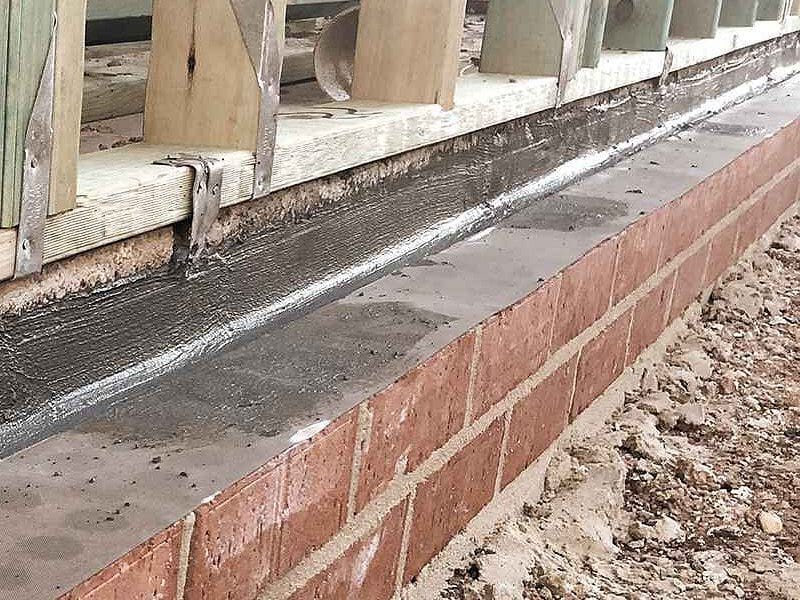
In simple terms, barriers work by either physically blocking termites, chemically repelling or killing them, or forcing them into visible areas where activity is spotted sooner.
What is a termite barrier, and what does it actually do?
A professionally installed termite barrier Sydney system creates a protective zone around or under a building to help prevent termites reaching structural timber. It does not “termite-proof” a property forever, but it significantly lowers risk when installed correctly and properly maintained.
Its real job is to interrupt hidden termite access. If termites cannot enter unseen, owners and inspectors have a better chance of catching activity before major damage occurs.
Why are termite barriers especially relevant in Sydney?
Sydney has many termite-prone suburbs, established gardens, and older housing stock with timber elements. Moisture issues from drainage, subfloor ventilation, and landscaping can also increase risk.
Because termites often travel underground and enter through tiny cracks, local conditions make preventative systems a practical choice. Barriers are commonly used alongside inspections to create a more reliable long-term defence.
What types of termite barriers are used in Sydney?
Most preventative systems fall into three categories: chemical soil treatments, physical barriers, and combination approaches. The “best” option depends on the building type, access, budget, and risk level.
They are typically selected after a site assessment that considers slab edges, subfloor areas, retaining walls, gardens, and any previous termite history on the property.
How do chemical termite barriers work?
Chemical barriers rely on termiticides applied to soil around and under the building to create a treated zone. When termites tunnel through it, they are repelled or affected by the chemical, which disrupts their ability to survive and spread.
In practice, the treated zone must be continuous. Gaps caused by poor application, soil disturbance, or later renovations can weaken performance and allow termites to bypass the barrier.
How do physical termite barriers work?
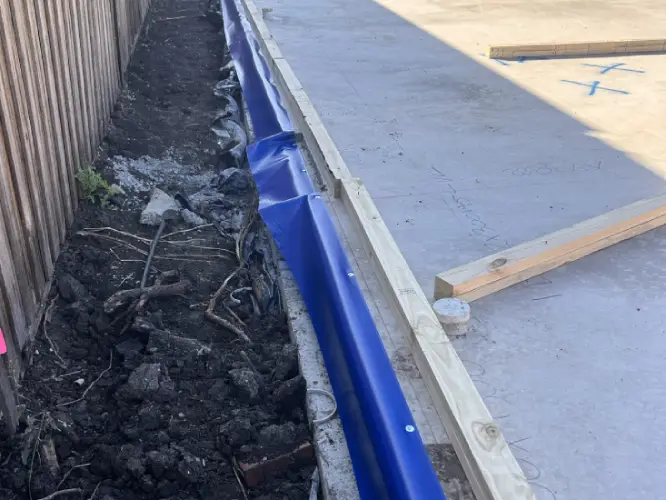
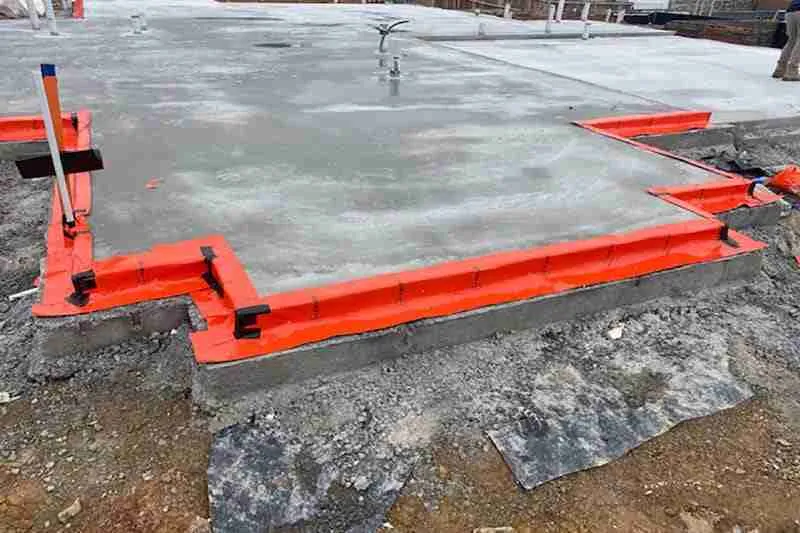
Physical barriers block termite entry using materials termites cannot chew through and cannot easily move around. Common systems include stainless-steel mesh, graded stone, and proprietary barrier sheets installed at vulnerable entry points.
They work best when integrated into construction or when access is good during renovations. The key benefit is longevity, since physical systems do not rely on chemical potency over time.
How do termite reticulation systems fit into prevention?
A reticulation system is a network of pipes installed around a building’s perimeter that allows termiticide to be replenished later. It is usually paired with a chemical barrier strategy.
Its main advantage is easier re-treatment without extensive drilling or trenching. However, it still depends on correct design, proper charging, and ongoing maintenance to ensure coverage stays complete.
Where are termite barriers installed around a home?
Barriers are typically installed along the external perimeter, around slab penetrations, and at key entry points like pipes, joints, and expansion cracks. For homes with subfloors, treatment may also target piers, soil, and other concealed pathways.
Install locations are chosen to stop termites travelling from the ground into timber framing. If the building has complex extensions or landscaping changes, additional protection zones may be required.
What makes a termite barrier fail or get compromised?
Most failures come from breaks in continuity or later disturbance. Digging garden beds, installing new plumbing, adding paving, or changing drainage can create untreated gaps that termites can exploit.
Moisture problems also raise the risk because termites favour damp environments and damaged timbers. Even with a barrier, poor ventilation, leaking pipes, and water pooling can increase termite pressure and make detection harder.
Do termite barriers replace inspections?
No, barriers do not replace inspections because termites can still find alternative entry points or exploit compromised areas. Regular inspections are how early activity is found before expensive damage occurs.
A barrier reduces the odds of infestation, while inspections decrease the time termites have to cause damage. Used together, they provide a more realistic and resilient prevention approach. Click here to get about pest exterminator Sydney vs DIY solutions: what works better?
How long do termite barriers last in real conditions?
Physical barriers can last for decades when installed correctly and left undisturbed. Chemical barriers can also remain effective for years, but performance depends on the product, soil conditions, installation quality, and whether the treated zone stays intact.
In the real world, the lifespan is influenced by renovations, landscaping, drainage changes, and general property wear. This is why many systems come with re-treatment schedules or inspection-based maintenance plans.
What should they expect during termite barrier installation?
Installation usually starts with a site inspection and a plan to cover all likely entry points. Chemical barriers may involve trenching around the perimeter, soil injection, and sometimes drilling through paths or slabs to reach the soil underneath.
They should expect some disruption, especially outdoors. A good provider will explain where treatment is applied, what areas must not be disturbed, and what documentation is provided for records and future inspections.
What should they ask a Sydney termite barrier provider before committing?
They should ask what barrier type is being recommended and why it suits that building. They should also ask how continuity will be achieved around difficult areas like steps, patios, pipes, and tight side access.
It is also reasonable to ask about re-treatment timeframes, warranty conditions, inspection recommendations, and what actions could void coverage. Clear documentation matters because future owners and inspectors rely on those details.
What is the simplest way to keep a termite barrier effective?
The simplest approach is to combine regular inspections with good property maintenance and minimal disturbance of treated areas. They should manage moisture by fixing leaks, improving drainage, and keeping subfloor ventilation clear.
They should also avoid covering slab edges or weep holes and be cautious with landscaping against walls. Prevention works best when the barrier remains continuous and the building stays easy to inspect.
FAQs (Frequently Asked Questions)
What is a termite barrier and how does it protect Sydney homes?
A termite barrier is a protective system installed around or under a building to prevent termites from reaching structural timber. It works by physically blocking, chemically repelling, or forcing termites into visible areas, thereby reducing the chance of infestation and enabling early detection of termite activity. While it doesn’t guarantee complete termite-proofing, when correctly installed and maintained, it significantly lowers the risk of damage.
Why are termite barriers particularly important for properties in Sydney?
Sydney’s warm climate, moisture levels, established gardens, and older housing with timber elements create ideal conditions for termite colonies to thrive. Termites often travel underground and enter through tiny cracks, making preventative systems like termite barriers essential to reduce risk. These barriers are commonly used alongside regular inspections to provide a reliable long-term defence against termites.
What types of termite barriers are commonly used in Sydney homes?
The main types of termite barriers used in Sydney include chemical soil treatments that create treated zones repelling or killing termites; physical barriers such as stainless-steel mesh or graded stone that block entry; and combination approaches integrating both methods. The choice depends on factors like building type, site access, budget, and assessed risk level following a thorough site inspection.
How do chemical and physical termite barriers differ in their operation?
Chemical barriers involve applying termiticides to soil around the building to repel or kill termites tunneling through the treated zone. Their effectiveness depends on continuous treatment without gaps. Physical barriers use materials termites cannot chew or bypass—like stainless steel mesh or graded stone—to block entry points permanently. Physical systems offer longevity without relying on chemicals but need proper installation during construction or renovations.
Can termite barriers replace regular inspections for effective termite prevention?
No, termite barriers do not replace inspections. While barriers reduce the likelihood of infestation by interrupting concealed access, termites can still find alternative entry points or exploit compromised areas. Regular professional inspections remain crucial for early detection of activity before significant damage occurs. Using both strategies together provides a more resilient and realistic approach to termite management.
How can homeowners maintain the effectiveness of their termite barrier over time?
To keep a termite barrier effective, homeowners should combine regular inspections with good property maintenance and avoid disturbing treated areas. Managing moisture by fixing leaks, improving drainage, and ensuring proper subfloor ventilation is vital since damp environments attract termites. Additionally, they should avoid covering slab edges or weep holes and be cautious with landscaping near walls to maintain barrier continuity and facilitate easy inspection access.