

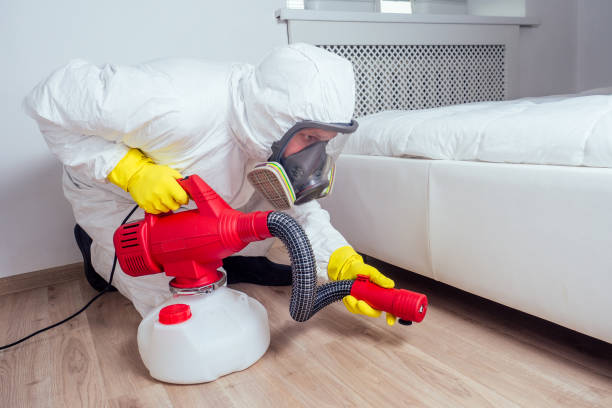
So what actually works better: hiring a pest exterminator in Sydney, or doing it themselves with store-bought sprays, baits, and traps? The best answer depends on the pest, the scale of the problem, and how much risk they are willing to accept.
What is the real difference between a pest exterminator and DIY pest control?
A professional pest exterminator Sydney service targets the cause of the infestation, not just the visible pests. They identify entry points, nesting sites, breeding cycles, and the species involved, then use a treatment plan designed to break that cycle.
DIY usually focuses on immediate symptoms. They might kill what they can see but miss hidden harbourage areas, eggs, or re-entry pathways, which is why many infestations keep returning.
When does DIY pest control actually work well?
DIY works best for small, early problems with clear evidence and simple access. If they spot a few ants in the kitchen, a single wasp outside, or one cockroach at night, a targeted approach can be enough.
The key is precision and follow-through. They need correct product choice, proper placement, repeat applications where required, and basic prevention like sealing gaps and improving hygiene.
When is a pest exterminator in Sydney the better option?
Professional help is usually better when the infestation is established, recurring, or hard to locate. If they have activity in roof voids, wall cavities, subfloors, or multiple rooms, DIY often becomes a guessing game.
It is also the safer option for hazardous pests or situations. Stinging insects, rodents, and any suspected termite activity are common examples where incorrect handling can make the problem worse or expose them to health risks.
Which option works better for cockroaches in Sydney homes?
A pest exterminator usually works better for German cockroaches, which breed quickly and hide in tight kitchen and bathroom areas. They often require gel placement strategies, growth regulators, and targeted residual treatments to stop reproduction.
DIY can work for occasional larger cockroaches if they are coming from outside. But if they keep appearing in cupboards, behind appliances, or during the day, that usually indicates a deeper infestation that needs professional control.
Which option works better for ants: DIY or professional treatment?
DIY can work well for ants if they use slow-acting baits and let the colony carry it back. Spraying visible ants often makes things worse by splitting the colony or pushing it into new areas.
A pest exterminator is better when ants keep returning despite baiting, or when there are multiple trails and nesting sites. They can identify species and adjust treatment, which matters because different ants respond to different bait types.
Which option works better for rodents in Sydney?
Professional control is usually more reliable for rats and mice because success depends on inspection, exclusion, and the correct baiting strategy. If they do not block entry points, rodents often return no matter how many traps they set.
DIY can help with a single mouse if they act quickly with snap traps and good sanitation. But if there are droppings in multiple areas, roof noises, gnaw marks, or repeated sightings, they are likely dealing with a broader problem.
Which option works better for termites?
A pest exterminator is the clear choice for termites. DIY termite sprays rarely reach the colony and can disturb termites, causing them to move and continue feeding elsewhere.
Termite management requires proper identification, risk assessment, and treatment systems such as baiting programmes or barriers. It is also about monitoring over time, not just one-off spraying.
Is DIY really cheaper once the full cost is considered?
DIY can be cheaper for minor issues, especially if they solve it in one attempt. But costs add up quickly when they buy multiple products, repeat treatments, replace contaminated food, or repair damage caused by delays.
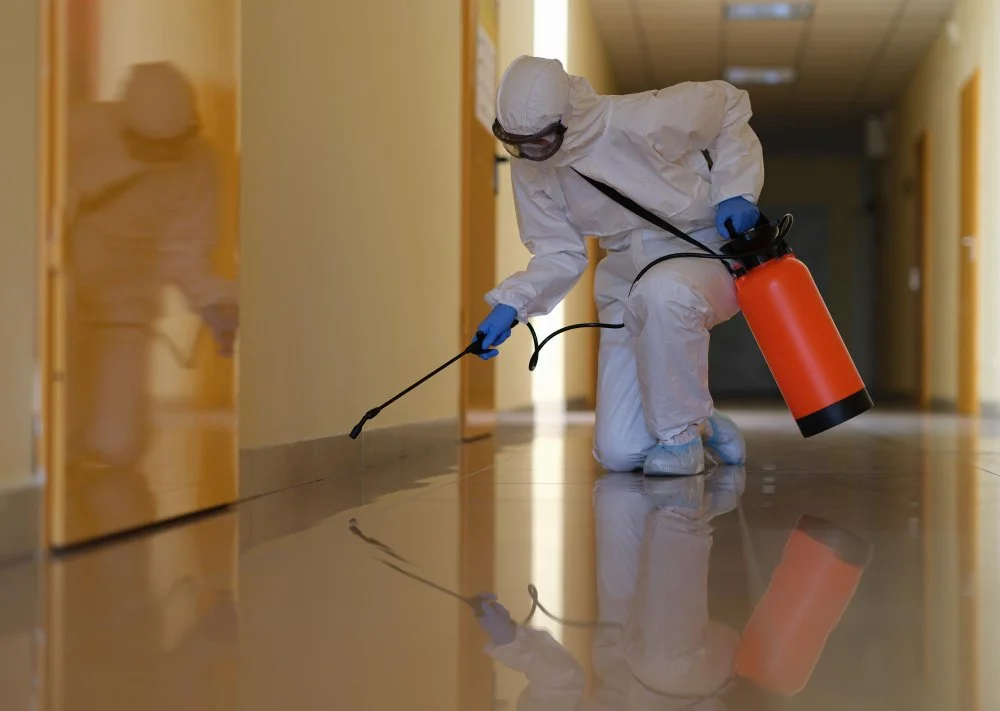
Professional treatment often looks expensive upfront, yet it may be more cost-effective if it stops the infestation sooner. The biggest hidden cost with DIY is time, repeated failure, and allowing pests to spread. Click here to get about termite barrier Sydney: how preventative systems work.
What are the biggest risks of DIY pest control?
The main risk is misidentification. They might treat fleas when the issue is bird mites, treat ants when the source is termites, or use the wrong approach for cockroach species, leading to poor results.
There is also health and safety risk. Overapplication, mixing products, poor ventilation, and incorrect bait placement can expose children, pets, and occupants to unnecessary hazards.
How should they decide what to do next?
They should choose DIY if the problem is small, recent, and clearly identified, and they can follow product instructions carefully. They should choose a pest exterminator in Sydney if the problem is recurring, widespread, hidden, or high risk, especially with termites or rodents.
A practical rule is simple: if they have tried DIY twice and activity continues, it is usually time to call a professional. That is often the point where expert inspection and targeted treatment save money and stress in the long run.
FAQs (Frequently Asked Questions)
What is the main difference between hiring a pest exterminator and doing DIY pest control in Sydney?
A pest exterminator targets the root cause of the infestation by identifying entry points, nesting sites, breeding cycles, and the species involved, then implementing a treatment plan to break that cycle. In contrast, DIY pest control usually focuses on killing visible pests without addressing hidden harbourage areas or re-entry pathways, which often leads to recurring infestations.
When is DIY pest control effective for managing pests in Sydney homes?
DIY pest control works best for small, early-stage problems with clear evidence and easy access, such as spotting a few ants in the kitchen or a single wasp outside. Success depends on choosing the correct products, proper placement, repeated applications if needed, and basic prevention measures like sealing gaps and maintaining hygiene.
Why should I consider hiring a professional pest exterminator in Sydney for established infestations?
Professional pest exterminators are better suited for established, recurring, or hard-to-locate infestations involving areas like roof voids, wall cavities, subfloors, or multiple rooms. They provide safer and more effective treatments for hazardous pests such as stinging insects, rodents, and termites, reducing health risks and preventing worsening of the problem.
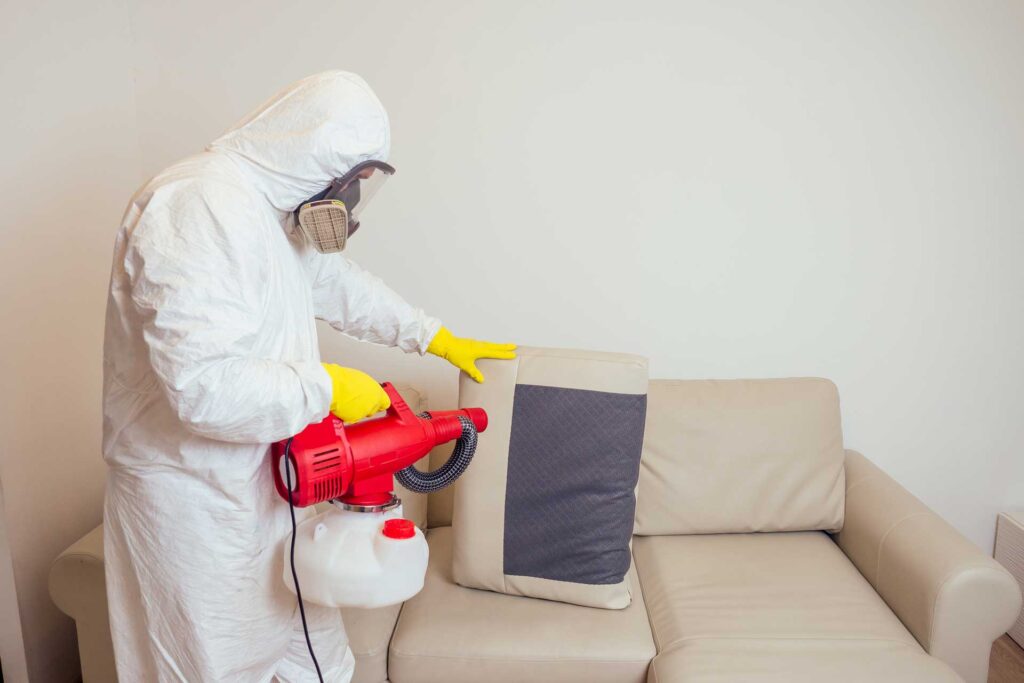
Which pest control method is more effective for cockroach infestations in Sydney?
For German cockroaches that breed rapidly and hide in tight spaces like kitchens and bathrooms, professional pest exterminators are generally more effective due to targeted strategies like gel placements and growth regulators. DIY methods may suffice for occasional larger cockroaches coming from outside but are less reliable for deeper infestations.
Is DIY pest control cost-effective compared to professional services in Sydney?
DIY pest control can be cheaper for minor issues if resolved quickly; however, costs can escalate with multiple product purchases, repeated treatments, food replacements, or damage repairs caused by delays. Professional treatments may seem expensive upfront but often prove more cost-effective by stopping infestations sooner and saving time and stress.
What are the risks associated with DIY pest control in Sydney homes?
Risks include misidentifying pests leading to ineffective treatments (e.g., treating fleas instead of bird mites), improper handling causing health hazards due to overapplication or mixing products, poor ventilation during application exposing occupants to toxins, and incorrect bait placement risking children and pets’ safety.