

Selecting the right Sydney tattoo artist shapes every aspect of your tattoo journey—from the quality of the artwork permanently etched on your skin to your physical safety during the process. A mismatched artist-client pairing can result in disappointing designs, health complications, or regret that lasts far longer than the tattooing session itself.
Sydney’s tattoo scene offers an impressive spectrum of artistic specializations, where the best Sydney tattoo artist is often defined by mastery across fineline delicacy, photorealistic portraits, intricate dotwork, bold traditional American, botanical florals, expansive Japanese sleeves, and cosmetic tattoos like microblading and lip blush. Each style demands distinct technical skills, artistic sensibilities, and years of focused practice.
The artist you choose directly determines three critical outcomes:
- Artistic satisfaction: A specialist in your preferred style translates your vision into exceptional body art that you’ll proudly wear for life
- Safety standards: Licensed professionals following NSW Health regulations protect you from infections, scarring, and other health risks
- Long-term results: Skilled technique ensures your tattoo heals properly and maintains its visual integrity as it ages
Understanding how to evaluate artists based on their style expertise, credentials, portfolio quality, and client care practices empowers you to make an informed decision. The right match between your aesthetic preferences and an artist’s specialized skills creates a foundation for a positive experience and artwork you’ll treasure permanently.
What Tattoo Style Do They Want and Why Does It Matter?
Identifying your preferred tattoo style before searching for an artist streamlines the selection process and ensures you find someone whose expertise aligns with your vision. Each tattoo style requires distinct technical skills, artistic sensibilities, and specialized training that not all artists possess equally.
Understanding Personal Style Preferences
Your tattoo style preference should reflect both aesthetic appeal and personal meaning. Consider what draws you visually—clean, delicate lines or bold, saturated colors? Do you prefer photographic precision or stylized artistic interpretation? Looking through tattoo styles Sydney artists showcase on Instagram, Pinterest, and studio websites helps clarify what resonates with you.
Think about the tattoo’s purpose and placement. Smaller, subtle designs suit fineline or minimalist approaches, while larger pieces like back or thigh tattoos accommodate intricate styles such as Japanese sleeves or detailed realism work.
Popular Tattoo Styles in Sydney
Fineline Tattoos: Fineline tattoos feature delicate, precise linework creating minimalist designs with subtle shading. This style works exceptionally well for small-scale pieces, botanical illustrations, and elegant script. Artists specializing in fineline work demonstrate exceptional control and steady hands, as even minor inconsistencies become highly visible.
Realism Tattoos: Realism tattoos replicate photographic detail, capturing portraits, wildlife, or objects with lifelike accuracy. This demanding style requires artists skilled in shading gradients, light manipulation, and anatomical precision. Sydney realism specialists often focus exclusively on this technique due to its technical complexity.
Dotwork: Dotwork employs thousands of individual dots to create shading, texture, and dimension. This meticulous technique produces distinctive geometric patterns, mandalas, and ornamental designs. The style demands patience and precision, with artists spending hours stippling each element.
Traditional Tattoos: Traditional (or “old school”) tattoos feature bold black outlines, limited color palettes, and iconic imagery like anchors, roses, and eagles. This classic style emphasizes readability and longevity, with designs that age gracefully over decades.
Floral Designs: Floral tattoos range from botanical realism to stylized interpretations across various techniques.
How Can They Evaluate an Artist’s Portfolio Effectively?
A portfolio reveals an artist’s true capabilities and consistency across their work. Examining tattoo portfolios Sydney artists present online or in-studio provides the most reliable evidence of their technical skill, artistic vision, and ability to execute specific styles. The portfolio serves as a visual resume that demonstrates whether an artist can deliver the quality and style someone seeks.
Portfolio quality assessment requires looking beyond surface-level aesthetics. Clients should examine multiple pieces within their desired style to identify patterns in line work precision, color saturation, shading techniques, and compositional balance. An artist who excels at Japanese sleeves may not possess the delicate touch required for fineline work, making style-specific evaluation essential.
Consistency Across Multiple Pieces
Strong portfolios showcase consistent quality rather than isolated masterpieces surrounded by mediocre work. Scrolling through an artist’s Instagram feed or portfolio book should reveal:
- Uniform line weight and steadiness across different designs
- Consistent color vibrancy and smooth gradients in colored pieces
- Similar attention to detail whether the tattoo is large or small
- Reliable execution of the same style elements in multiple tattoos
Inconsistency often signals that an artist may still be developing their skills or that their best work doesn’t represent their typical output. Three to five strong examples in a desired style provide better confidence than a single exceptional piece.
The Critical Difference Between Fresh and Healed Work
Healed tattoos photos tell the real story that fresh tattoos cannot. Immediately after completion, any tattoo appears vibrant with crisp lines and saturated colors. The true test emerges weeks or months later when the skin has fully healed and settled.
Fresh tattoos can mask technical flaws:
- Blown-out lines become apparent only after healing when ink spreads under the skin
- Uneven color saturation reveals itself as some areas fade faster than others
- Poor depth in black and grey work shows when contrast diminishes during healing
- Scarring from heavy-handed technique becomes visible once inflammation subsides
Artists confident in their work actively share healed photos because they demonstrate lasting quality. A portfolio dominated exclusively by fresh work should raise questions about how pieces
What Licensing and Hygiene Standards Should They Look For?
Every legitimate tattoo artist in Sydney must hold a current NSW Tattoo Licence or operate under a licensed establishment that complies with NSW Health regulations. This legal requirement exists to protect clients from health risks and ensure practitioners meet minimum safety standards. Before booking any appointment, ask to see the artist’s licence or verify the studio’s licensing status through NSW Health’s public register.
The difference between licensed and unlicensed operations can mean the difference between a safe experience and serious health complications. Licensed artists undergo training in infection control, bloodborne pathogen management, and proper sterilization techniques. They’re also subject to regular inspections and must maintain documentation of their compliance with tattoo hygiene standards Sydney authorities enforce.
Essential Hygiene Practices to Verify
When visiting a potential studio, observe these critical hygiene indicators:
- Sterile tattoo tools must be individually packaged and opened in front of you
- Single-use disposable needles that are never reused between clients
- Fresh disposable gloves worn throughout the entire procedure
- Autoclave sterilization equipment for non-disposable instruments
- Proper disposal containers for sharps and biohazard materials
- Clean, organized workstations sanitized between each client
A reputable artist will welcome questions about their sterilization processes. They should explain how they prevent cross-contamination, where they source their supplies, and how frequently they service their sterilization equipment. Studios that become defensive or vague about hygiene practices raise immediate red flags.
What Cross-Contamination Prevention Looks Like
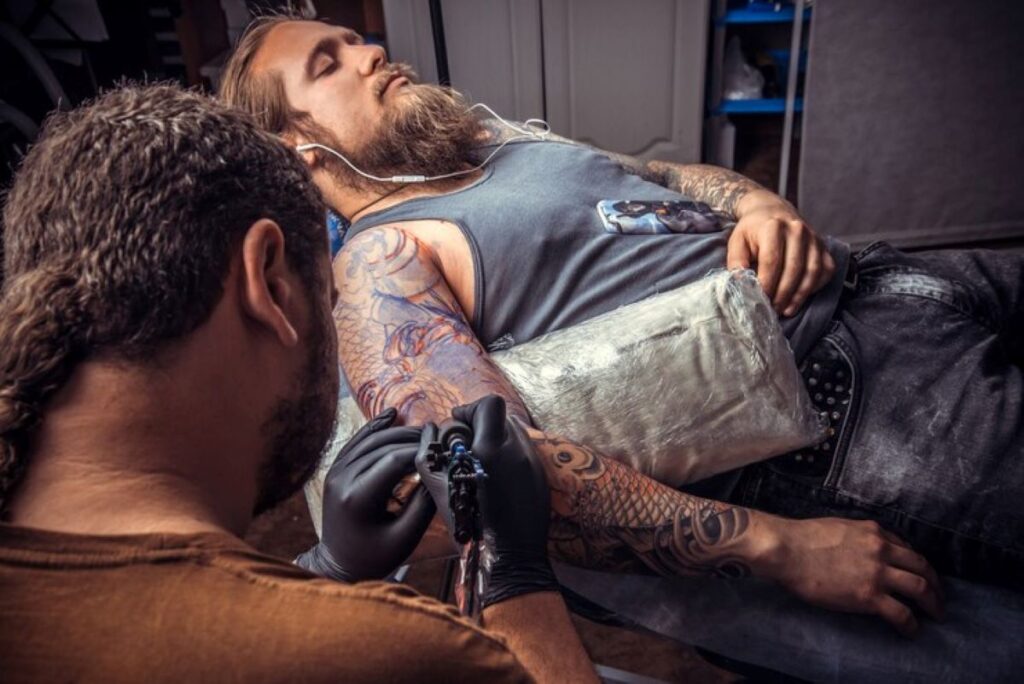
Professional studios implement barrier methods throughout the tattooing process. This includes covering surfaces with disposable barriers, using squeeze bottles instead of dipping into shared containers, and maintaining separate clean and contaminated zones within the workspace. The artist should never touch their phone, adjust equipment, or handle non-sterile items without changing gloves.
Watch how the artist prepares their station before your session. They should lay out all necessary supplies beforehand to minimize contact with potentially contaminated surfaces during the procedure. The ink caps should be disposable and filled fresh for each client rather than refilled from previous sessions.
Documentation and Transparency
Licensed establishments maintain detailed records of sterilization cycles, equipment maintenance, and supply purchases.
Where Can They Find Reliable Reviews and Testimonials?
Google Business profiles and Facebook pages are the main places to find verified tattoo artist reviews in Sydney. They provide genuine feedback from actual clients who have experienced the artist’s work firsthand. These platforms display review dates, reviewer profiles, and often include photos of finished tattoos, making it easier to verify legitimacy.
Google reviews usually represent a wider range of clients since many people search for tattoo studios using Google Maps. The platform’s verification system requires reviewers to have active accounts, reducing the chances of fake testimonials. Facebook reviews offer similar credibility, with the added benefit of being able to view the reviewer’s profile and mutual connections.
Identifying Quality Indicators in Client Testimonials
Reviews that mention specific details about the tattooing process carry more weight than generic praise. Look for comments that describe:
- How the artist handled design consultations and modifications
- The studio’s cleanliness and sterilization procedures observed during the appointment
- Pain management techniques and the artist’s attentiveness during the session
- Healing progress and final results after several weeks or months
Client testimonials for tattoo studios that include phrases like “watched them open new needles” or “explained every step of the sterilization process” demonstrate genuine attention to hygiene standards. Reviews discussing how the artist accommodated nervous clients or adjusted techniques for sensitive skin reveal professionalism beyond technical skill.
It’s essential to note that according to a study published in BMJ Open, detailed reviews can significantly influence decision-making processes in service industries, including tattoo artistry.
Red Flags to Watch For in Reviews
Patterns of negative feedback about the same issues across multiple reviews deserve serious consideration. Repeated complaints about rushed work, dismissive communication, or unclear pricing indicate systemic problems rather than isolated incidents.
Be cautious of studios with:
- Exclusively five-star reviews with vague, similar wording
- No reviews mentioning hygiene practices or studio cleanliness
- Defensive or aggressive responses to constructive criticism
- Recent influx of positive reviews after periods of negative feedback
Beyond Major Platforms
Tattoo-specific forums and Sydney body art communities on Reddit provide unfiltered discussions about local artists. These spaces often feature detailed comparisons between studios, healing progress photos, and honest assessments of value for money.
Instagram serves as both a portfolio platform and review source. Comments on artists’ posts reveal client satisfaction levels, while tagged photos show how tattoos age over time
Why Are Consultations Important Before Committing?
Tattoo consultations Sydney sessions are crucial for achieving successful tattoo results. They provide an opportunity for both the client and the artist to discuss and agree on the vision, feasibility, and expectations before starting any permanent work. During a consultation, vague ideas can be transformed into clear plans through collaborative design discussions with your chosen tattoo artist.
Understanding the Technical Aspects
During these meetings, artists assess the technical requirements of your concept. They consider factors such as:
- Whether your design is suitable for the specific area of your body where it will be placed
- How the tattoo will age over time and what impact it may have on its appearance
- If any modifications or adjustments to the design might enhance the final result
Translating Inspiration into Designs
Artists have the ability to take various forms of inspiration—such as Pinterest boards, rough sketches, or verbal descriptions—and turn them into practical designs that complement your body’s natural curves and shapes.
Setting Realistic Expectations
The design discussion tattoo artist phase is crucial in preventing disappointment by establishing realistic expectations about important aspects like size, level of detail, color saturation, and the number of sessions required for complex pieces.
Medical and Skin Assessments Matter
During consultations, artists also conduct important health screenings to identify any potential complications that could arise during the tattooing process. They ask about:
- Allergies to inks, latex, or topical anesthetics
- Blood-thinning medications that may affect healing
- Skin conditions such as eczema, psoriasis, or keloid scarring tendencies
- Pregnancy or breastfeeding status
- Recent cosmetic procedures or sunburns
For cosmetic tattoos like microblading, lip blush, or permanent eyeliner, assessing your skin type becomes critical. Artists examine factors such as skin texture, oiliness, and undertones in order to select the most suitable pigments and techniques for achieving desired results.
Building the Design Together
Consultations provide an opportunity for open and honest discussions about what works well in terms of design elements and what may not be as effective. Experienced artists may offer suggestions such as:
- Enlarging a design in order to ensure better aging over time
- Simplifying intricate details that may not hold up well over time
- Repositioning placement in order to achieve optimal visibility and flow
During these discussions, artists also share reference images from their portfolio that showcase similar styles they have worked on before. This helps you visualize how your concept will translate onto skin.
This collaborative process not only reveals the artist’s creative problem-solving abilities but also allows you to determine whether their aesthetic sensibilities align with yours. Some artists excel at interpreting abstract concepts while others prefer working from detailed reference materials—this consultation phase exposes these different working styles before making any commitments.
Practical Logistics Get Clarified
In addition to addressing creative aspects of the tattooing process during consultations, practical logistics are also clarified:
- Discussing available dates and times for scheduling appointments
- Reviewing pricing details including any additional costs associated with specific techniques or modifications
- Confirming hygiene practices followed by both parties (artist/client) ensuring a safe environment throughout all sessions
How Does Communication Influence Their Tattoo Experience?
Communication with tattoo artist shapes every aspect of the tattooing journey, from initial concept to final result. Clear, respectful dialogue ensures both parties understand design expectations, placement preferences, sizing considerations, and any concerns about pain management or session length. When clients feel heard and understood, they relax into the process, which can actually reduce discomfort and lead to better cooperation during longer sessions.
Artists who actively listen demonstrate their commitment to delivering exactly what clients envision. This means asking clarifying questions about design elements, explaining technical limitations honestly, and offering professional suggestions that enhance rather than override the client’s vision. A professional tattoo service Sydney prioritizes this two-way exchange, recognizing that tattoos are deeply personal investments.
The Foundation of Trust Through Open Dialogue
Trust develops when artists create space for questions without judgment. Clients should feel comfortable asking about:
- Specific technique choices and why certain approaches work better for their desired style
- Pain levels associated with different body placements
- Realistic timelines for completing complex pieces
- Modifications to designs that might improve longevity or visual impact
- Healing expectations and what normal versus concerning symptoms look like
Artists who respond patiently to these inquiries, even when questions seem basic, demonstrate respect for their clients’ autonomy. This openness prevents misunderstandings that could lead to disappointment or regret.
Reading Non-Verbal Communication Cues
Skilled artists pay attention to body language and facial expressions during sessions. They notice when clients tense up, need breaks, or seem uncomfortable with the conversation. This awareness allows them to adjust their approach—perhaps explaining steps more thoroughly for anxious first-timers or maintaining comfortable silence with clients who prefer quiet focus.
Clients also benefit from observing how artists communicate non-verbally. Do they handle equipment confidently? Do they maintain a calm, focused demeanor? These subtle signals indicate professionalism and expertise. For more insights on understanding these subtle signals in communication, you can explore this resource on non-verbal communication.
Establishing Boundaries and Expectations
Effective communication with tattoo artist includes discussing practical boundaries upfront. Artists should clearly state their policies on:
- Deposit requirements and cancellation terms
- Touch-up policies and associated costs
- Expected session duration and break schedules
- Acceptable reasons for rescheduling or postponing appointments
What Should They Know About Pricing Transparency?
Transparent pricing protects clients from unexpected costs and helps them understand the value they’re receiving. A reputable Sydney tattoo artist provides clear quotes upfront, breaking down costs by session, size, or hourly rates without hidden fees.
Typical tattoo pricing Sydney ranges vary significantly between body art and cosmetic procedures. Traditional body tattoos generally cost between $150 and $250 per hour, with minimum charges often starting around $100 for small pieces. Larger projects like full sleeves or back pieces may offer package rates that provide better value than hourly billing.
The cost of cosmetic tattoos Sydney operates on a different pricing structure. Microblading typically ranges from $400 to $800 for initial sessions, while lip blush procedures start around $500 and can exceed $800 depending on the artist’s experience and technique. Cosmetic tattoo touch-ups, usually required 6-8 weeks after the initial session, cost between $200 and $350.
Understanding Price Variations
Several legitimate factors influence pricing:
- Artist experience and reputation – Established artists with years of expertise command higher rates
- Style complexity – Intricate designs like photorealism or detailed Japanese work require more time and skill
- Tattoo size and placement – Larger pieces or difficult body areas increase session length
- Studio location – Premium Sydney locations may have higher overhead costs
- Equipment quality – Top-tier pigments and advanced tools justify increased prices
Red Flags in Pricing
Suspiciously low prices often signal compromised quality or safety standards. Artists charging significantly below market rates may cut corners on hygiene protocols, use inferior pigments, or lack proper training. Tattoos priced under $80 per hour should raise immediate concerns about sterilization practices and artist qualifications.
Conversely, inflated pricing doesn’t guarantee superior results. Some studios exploit their location or marketing to charge premium rates without delivering proportional quality. Prices exceeding $400 per hour for standard body art warrant careful portfolio scrutiny and multiple consultations.
What to Request During Price Discussions
Ask for itemized quotes that specify:
- Hourly rate or flat session fee
- Estimated total sessions required
Why Is Custom Design Focus Important When Choosing an Artist?
Custom tattoo designs Sydney artists create pieces that reflect your individual story, personality, and vision rather than reproducing generic flash art from a wall. This personalized approach transforms your tattoo from a simple decoration into a meaningful piece of wearable art that holds genuine significance.
Artists who specialize in personalized tattoos invest time understanding your inspiration, researching relevant imagery, and sketching multiple concepts until the design perfectly captures your vision. A custom piece might incorporate family heritage, commemorate a life milestone, represent personal growth, or blend multiple symbolic elements into a cohesive composition. The collaborative design process ensures every line, shade, and detail serves a purpose.
The Unique Value of Bespoke Artwork
Flash designs limit your options to pre-drawn templates that hundreds of other people might already wear. Custom work guarantees originality—no one else will have your exact tattoo. This exclusivity matters especially for larger pieces like sleeves, back pieces, or chest panels where uniqueness becomes part of the tattoo’s impact.
Artists passionate about custom work typically demonstrate:
- Stronger conceptual skills in translating abstract ideas into visual designs
- Flexibility to incorporate multiple reference images and personal elements
- Problem-solving abilities when adapting designs to body contours and skin tone
- Genuine interest in your story rather than rushing through appointments
How Custom Focus Reflects Artist Dedication
Studios emphasizing custom artwork signal their commitment to artistry over volume. These artists view each client as a creative partnership rather than a transaction. They’ll spend consultation time sketching, refining, and perfecting the design before needle touches skin.
The custom design process reveals an artist’s true skill level. Anyone can trace flash art, but creating original compositions requires understanding of proportion, flow, negative space, and how designs age on skin. Artists confident in their custom work showcase diverse portfolio pieces that demonstrate versatility across different themes and styles.
Matching Personal Stories to Visual Elements
Custom designs allow artists to weave multiple meaningful elements into unified compositions. A nature-inspired piece might combine your birth flower with mountain ranges from a significant location, rendered in your preferred style whether fineline, watercolor, or neo-traditional. This layered symbolism creates deeper emotional connection to your tattoo.
How Does Studio Location and Environment Affect Their Choice?
The physical space where you’ll receive your tattoo shapes your entire experience from consultation to completion. A tattoo studio environment Sydney clients choose should feel safe, clean, and respectful of personal boundaries—not clinical or intimidating.
Private tattoo studios offer distinct advantages for clients seeking discretion and comfort. These spaces typically provide:
- Individual rooms or partitioned areas that shield you from public view
- Quieter atmospheres conducive to relaxation during longer sessions
- Personalized attention without distractions from other clients or walk-ins
- Enhanced privacy for intimate placement areas or sensitive cosmetic procedures
The studio’s aesthetic and atmosphere reveal much about the artist’s professionalism. Natural lighting helps artists see true skin tones and work with precision. Comfortable seating arrangements, temperature control, and accessible amenities demonstrate consideration for client wellbeing during multi-hour sessions.
Location accessibility matters practically. Studios near public transport or with parking options reduce pre-appointment stress. Neighborhood context also influences comfort levels—some clients prefer busy commercial areas while others seek quieter suburban settings.
How to Choose Your Ideal Sydney Tattoo Artist for Any Style involves visiting potential studios beforehand. The reception you receive during this visit—whether staff greet you warmly, answer questions patiently, and respect your time—predicts your treatment throughout the tattooing process.
Cleanliness extends beyond sterilization protocols to general tidiness. Cluttered workspaces, dusty surfaces, or poorly maintained facilities suggest lax standards that might extend to hygiene practices. The scent of the space matters too; strong chemical odors or mustiness indicate ventilation issues.
Some studios cultivate specific vibes—minimalist and modern, vintage and eclectic, or gallery-like with rotating art displays. Choosing an environment that resonates with your personal aesthetic makes the experience more enjoyable and memorable. The space where you receive permanent artwork becomes part of your tattoo’s story.
What Aftercare Support Should They Expect from Their Artist?
Professional tattoo artists provide detailed healing instructions tattoos clients can follow from day one. The best Sydney studios hand out written aftercare protocols covering cleaning schedules, moisturizing techniques, sun protection requirements, and warning signs of infection. This documentation serves as a reference throughout the 2-4 week healing period when questions inevitably arise.
Quality tattoo aftercare support Sydney extends beyond a printed sheet. Artists who care about their work’s longevity schedule follow-up appointments to check healing progress, especially for larger pieces or cosmetic tattoos requiring touch-ups. They make themselves available via phone, email, or messaging platforms to address concerns about scabbing, color retention, or unexpected reactions.
Comprehensive Initial Guidance
Reputable artists explain aftercare protocols verbally during the appointment, demonstrating proper cleaning methods and product application. They specify:
- Exact timing for removing initial bandaging (typically 2-4 hours for traditional wraps, 3-5 days for second-skin products)
- Recommended cleaning frequency (usually 2-3 times daily with fragrance-free soap)
- Appropriate moisturizers that won’t clog pores or fade ink
- Activities to avoid during healing, including swimming, saunas, and intense workouts
Studios specializing in cosmetic tattoos provide even more detailed instructions since procedures like microblading or lip blush require different care than body art. They outline specific sleeping positions, makeup restrictions, and hydration techniques crucial for optimal pigment retention.
Ongoing Accessibility for Questions
The relationship between client and artist shouldn’t end when the needle stops. Studios committed to client satisfaction maintain open communication channels for the entire healing period. Some offer dedicated aftercare hotlines, while others prefer scheduled check-in calls at the one-week and two-week marks.
Artists experienced with sensitive skin or complex designs often provide their direct contact information for urgent concerns. This accessibility proves particularly valuable when clients notice unusual symptoms requiring professional assessment versus normal healing patterns.
Touch-Up Policies and Long-Term Support
Professional studios include touch-up sessions in their service packages, typically offered 6-8 weeks after the initial appointment once healing completes. These sessions address any areas where ink didn’t hold properly due to individual skin characteristics rather
Conclusion
Choosing your ideal Sydney tattoo artist requires careful attention to three core pillars: style specialization, safety standards, and open communication. These elements work together to transform your tattoo from a simple design into a meaningful piece of art you’ll cherish for life.
Start by identifying artists whose portfolios demonstrate mastery in your preferred style—whether that’s delicate fineline work, bold traditional pieces, or intricate Japanese sleeves. An artist who specializes in your chosen aesthetic will understand the technical nuances that make the difference between good and exceptional work.
Safety cannot be negotiated. Verify NSW licensing, inspect hygiene practices, and trust your instincts about studio cleanliness. A professional artist welcomes questions about sterilization protocols and infection control measures.
The relationship between client and artist shapes the entire experience. Seek someone who listens attentively during consultations, explains their process clearly, and makes you feel comfortable asking questions. This rapport ensures your vision translates accurately onto your skin.
How to choose your ideal Sydney tattoo artist for any style comes down to doing thorough research before committing. Review portfolios critically, read verified testimonials, attend consultations, and assess whether the artist’s approach aligns with your expectations. The time invested in selecting the right professional pays dividends in satisfaction, safety, and the quality of your finished tattoo.
Your body deserves artwork created by skilled hands in a safe environment. By prioritizing these considerations, you set the foundation for a tattoo experience that exceeds expectations and results in a piece you’ll proudly wear forever.
Other Resources : 6 Characteristics of Top-Tier Sydney Tattoo Artists